
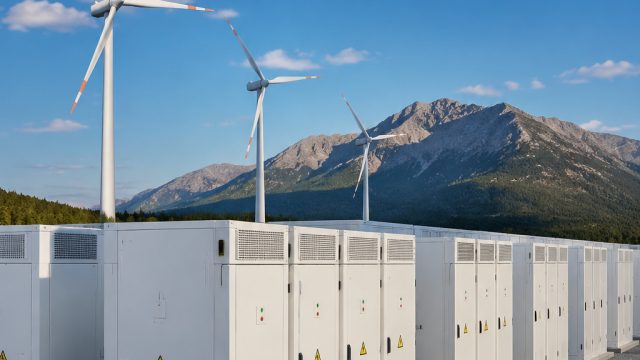
As Europe grapples with the urgent need for a sustainable energy transition, the focus is increasingly on innovative solutions that can harness renewable energy sources. Among these solutions, battery technology is emerging as a critical player in ensuring energy reliability and flexibility. With recent developments signaling a readiness to scale battery production and demand response systems, the conversation around energy storage has never been more pressing.
The Importance of Battery Technology in the Energy Transition
Battery systems serve as a backbone for modern energy infrastructures, providing the necessary support to integrate fluctuating renewable energy sources such as wind and solar. As energy demand continues to rise, the ability to store energy efficiently becomes paramount. Here’s why this matters now:
- Increased Demand for Renewable Energy: The EU has set ambitious targets for reducing carbon emissions, making the adoption of green energy sources critical.
- Technological Advancements: Investments in battery technologies have led to innovations that enhance efficiency, scalability, and affordability.
- Energy Security: With geopolitical tensions influencing energy markets, local energy storage solutions can bolster energy independence.
Current Developments in Battery Scaling
Recent reports indicate that several EU nations are ramping up efforts to enhance their battery manufacturing capabilities. This shift is not merely an industrial trend; it is a strategic move to fortify energy storage systems across Europe. Notable initiatives include:
1. Large-Scale Battery Facilities
Countries like Germany and France are leading the charge with the establishment of large-scale battery production facilities. These facilities aim to meet both local and export demands, positioning Europe as a key player in the global battery market.
2. Collaborative Research Initiatives
The EU is fostering collaboration among universities, research institutions, and private enterprises to drive innovation in battery technologies. This collaborative approach has the potential to yield breakthroughs in materials and processes, enhancing battery efficiency and sustainability.
3. Regulatory Support and Funding
EU regulators are implementing policies that promote investments in battery technology. Subsidies and grants are available for companies engaging in sustainable practices, making it easier for manufacturers to scale operations.
The Role of Demand Flexibility
Aside from battery scaling, demand flexibility is a vital component of the energy landscape. This concept involves adjusting energy consumption patterns to align with supply capabilities, thereby optimizing energy usage. Here's how demand flexibility intersects with battery technology:
- Peak Shaving: Batteries can store energy during low demand periods and release it during peak times, helping to balance the grid and reduce costs.
- Integration with Smart Grids: Smart grid technology facilitates real-time data exchange between consumers and suppliers, allowing for efficient energy management.
- Consumer Incentives: Programs that incentivize consumers to adjust their energy use can lead to significant energy savings while enhancing grid stability.
Challenges and the Path Forward
While the potential for scaling battery technology and incorporating demand flexibility is significant, several challenges remain. Key issues include:
1. Supply Chain Constraints
Raw materials required for battery production, such as lithium and nickel, face supply chain disruptions that can affect production timelines and costs. Ensuring a stable supply of these materials is crucial for scaling operations.
2. Environmental Concerns
As battery production increases, so do concerns regarding the environmental impact of mining and disposal. Developing sustainable practices for sourcing materials and recycling old batteries is essential.
3. Market Competition
With the rise of battery technology, competition among manufacturers is intensifying. Companies must innovate continuously to remain competitive while also meeting regulatory standards.
Conclusion: A Transformative Era for Energy Storage
The advancements in battery technology and demand flexibility mark a transformative era for energy storage in Europe. As the EU continues to push for greener solutions, the integration of these systems will play a critical role in achieving energy independence and sustainability goals. With the right investments and policies in place, Europe can lead the way in energy innovation, setting a benchmark for the rest of the world. Explore how you can be part of this exciting journey at ravesto.com, where we are committed to providing cutting-edge energy solutions.
