
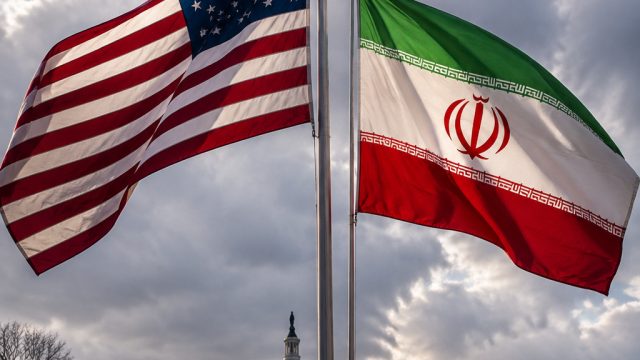
In the complex arena of international politics, few topics evoke as much debate as the negotiations between the United States and Iran. As President Trump makes ambitious claims about potential agreements, the Iranian response often seems contradictory. This dynamic raises important questions about the viability of these discussions and their potential to reshape geopolitical landscapes.
The Landscape of U.S.-Iran Negotiations
The current situation regarding U.S.-Iran relations is not just a simple matter of differing opinions; it reflects a broader struggle for influence in the Middle East. As the Trump administration articulates what it considers a comprehensive approach to negotiations, Iran has been vocal in its dissent, casting doubt on the feasibility of any agreements.
What Trump Proposes
President Trump has emphasized the need for a series of formal agreements that would ideally culminate in a binding deal with Iran. His approach is characterized by:
- Firm Stance: Trump has indicated that he prefers negotiations that lock Iran into commitments.
- Increased Pressure: The administration is employing economic sanctions as leverage.
- Strategic Alliances: Strengthening relationships with allies to present a united front.
Iran's Response
In stark contrast, Iranian officials have issued statements rejecting Trump's characterization of the negotiations. These contradictions create a cloud of uncertainty around the talks. Key points from Iran's perspective include:
- Sovereign Rights: Iran insists on its right to pursue its own policies without external pressure.
- Cautious Optimism: Some Iranian leaders express limited hope but stress the need for trust.
- Geopolitical Resistance: Iran views U.S. actions as attempts to undermine its regional influence.
The Impact of Public Perception
Public opinion plays a crucial role in shaping foreign policy. Both Trump and Iranian leaders are acutely aware that their statements can influence domestic and international perceptions of their legitimacy. Analyzing their communication strategies provides insight into their aims:
Trump's Communication Strategy
Trump's administration leverages social media and public speeches to project strength and determination. This strategy includes:
- Direct Engagement: Utilizing platforms like Twitter to directly address the public.
- Media Control: Framing narratives that align with administration goals.
- Show of Strength: Emphasizing military readiness as a deterrent against Iranian aggression.
Iran's Messaging Techniques
Iran, on the other hand, employs a different approach in its messaging:
- Nationalistic Rhetoric: Promoting a narrative of sovereignty and resilience.
- Cultural References: Tapping into historical grievances to galvanize public support.
- Diplomatic Outreach: Engaging with allies to counter U.S. influence.
The Future of U.S.-Iran Relations
As negotiations continue, the question remains whether a cooperative framework can emerge from the current discord. The stakes are high, with implications not just for U.S.-Iran relations but for the broader Middle Eastern geopolitical landscape.
Potential Outcomes
The potential for future agreements hinges on several factors:
- Change in Leadership: A shift in either country's leadership could alter negotiation dynamics.
- International Involvement: Increased engagement from European and Asian powers may help mediate discussions.
- Public Sentiment: Pressure from domestic constituencies can influence governmental approaches to negotiations.
Conclusion
The ongoing negotiations between the U.S. and Iran encapsulate the complexities of modern diplomacy. As both sides navigate their respective narratives, the world watches closely, understanding that the implications of these discussions are far-reaching. The outcomes of these negotiations hold the potential to not only define relations between two nations but also to impact global stability.
