
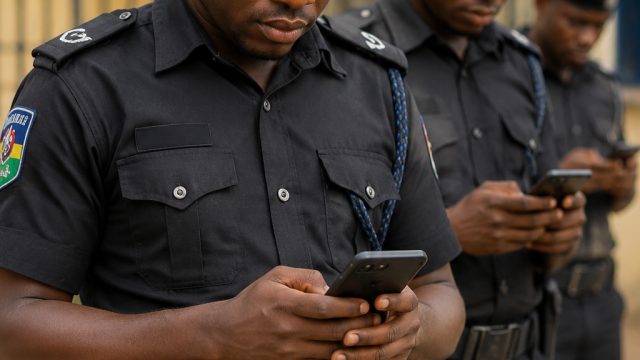
In a significant move to enhance professionalism and security, Nigeria's Inspector-General of Police, Tunji Disu, has implemented a ban on officers' engagement with unauthorized social media platforms. This ban specifically targets popular sites like TikTok, Instagram, Facebook, and YouTube, as part of a broader initiative to maintain the integrity of the Nigeria Police Force. This directive, labeled 'Restricted - For Official Use Only,' was communicated to all serving officers on June 22, 2026.
The Rationale Behind the Ban
The decision to limit social media activity stems from increasing concerns about potential security risks and the public's perception of law enforcement personnel. The use of social media can lead to unauthorized disclosures and vulnerabilities that may compromise ongoing investigations and overall departmental integrity.
Security Threats and Vulnerabilities
Social media has been criticized for its role in disseminating sensitive information. Officers posting about their personal lives or duties can inadvertently expose themselves and their colleagues to threats. The police leadership has pointed out that such activities can attract undue attention from criminal elements and negatively impact police operations.
- Increased Risk of Targeting: Officers identifiable on social media can become targets for criminal organizations.
- Operational Security Violations: Sharing details about current cases or police strategies can compromise investigations.
- Public Perception Issues: Unprofessional conduct online can tarnish the image of the police force.
Professionalism in Law Enforcement
Another critical aspect of the ban is the call for heightened professionalism among Nigeria’s police officers. By restricting social media use, the force aims to encourage officers to prioritize their duties over personal online presence. The leadership believes that such a move will foster a more serious and dedicated approach to law enforcement.
Guidelines for Officers
To ensure compliance with the new regulations, the police force has laid out specific guidelines for officers regarding acceptable online behavior. These include:
- No identification as a police officer on personal social media accounts.
- No posting of images or videos while in uniform or on duty.
- Prohibition of sharing official police information without authorization.
Public Reactions and Implications
The public response to the new policy has been mixed. While many citizens appreciate the effort to uphold the integrity of the police force, others have raised concerns about freedom of expression. The debate continues as Nigerians weigh the importance of professional conduct against personal rights in the realm of social media.
Community Involvement
The community plays a crucial role in shaping the narrative surrounding this policy. Engaging with the public through transparent dialogue will be necessary for police officers to build trust and understanding. Officers are encouraged to interact with the public in safe, controlled environments rather than through personal social media platforms.
Conclusion: A Step Towards Better Policing
As Nigeria's police force navigates the complexities of modern law enforcement, the restriction on social media use represents a pivotal step towards enhancing public safety and professionalism. This initiative could set a precedent for other law enforcement agencies, both locally and globally, as they seek to balance transparency and operational security in an increasingly digital world. By fostering a culture of responsibility and accountability, Nigeria’s police aim to strengthen public trust and improve their overall effectiveness in crime prevention.
