
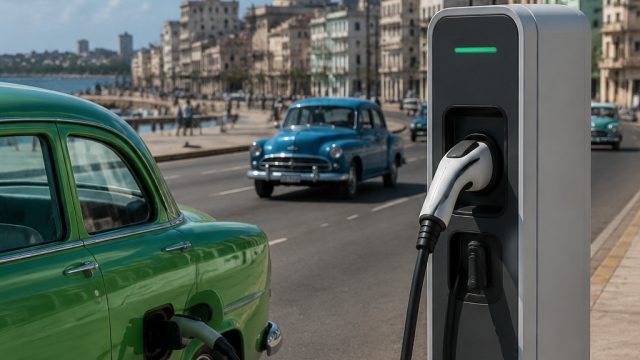
In a bold move that could redefine its economic landscape, the Cuban government has unveiled a comprehensive strategy aimed at revitalizing its struggling economy. This initiative comes at a time when the island nation grapples with significant financial challenges and seeks to align itself with global economic trends.
Understanding the Economic Overhaul
The recent announcement from Cuba's leadership focuses on restructuring the economy to encourage innovation and allow greater economic freedoms. These changes are seen as essential for addressing the current stagnation and attracting foreign investments, which have dwindled in recent years.
Key Components of the Restructuring
- Increase in Private Sector Opportunities: The government plans to expand the private sector by allowing more small and medium-sized enterprises (SMEs) to operate without excessive state control.
- Foreign Investment Incentives: Enhanced incentives for foreign investors are expected to stimulate interest from international markets.
- Streamlined Regulations: By reducing bureaucratic hurdles, the Cuban government aims to create a more business-friendly environment.
The Role of International Relations
While the restructuring plan holds promise, experts emphasize that its success largely hinges on Cuba's international relationships, especially with the United States. A thawing of relations could lead to increased economic support and collaboration, providing Cuba with the necessary resources to implement its ambitious plans.
Challenges Ahead
Despite the optimism surrounding the economic overhaul, several challenges loom on the horizon:
- Dependence on External Support: The Cuban economy has historically relied on external aid, and any changes will need robust international backing.
- Domestic Resistance: There may be pushback from those benefiting from the current state-controlled system, making the transition difficult.
- Global Economic Conditions: Fluctuations in the global economy can impact Cuba's recovery efforts, particularly in a world still coping with the aftermath of the pandemic.
Why This Matters Now
The timing of this economic overhaul is critical. As the world moves towards renewable energy and sustainable practices, Cuba stands at a crossroads. The island's natural resources and strategic location could position it well in a future where clean energy is paramount. By embracing reform now, Cuba can pave the way for a more resilient economy that embraces innovation and sustainability.
The Future of Cuba's Economy
The future of Cuba's economic landscape will depend on the implementation of these reforms and the ability of its leaders to navigate the intricate web of domestic and international expectations. If the government can effectively balance the needs of its citizens with the demands of a global economy, Cuba may very well emerge as a key player in the Caribbean and beyond.
In conclusion, while there are significant hurdles to overcome, Cuba's commitment to economic reform signals a willingness to adapt and grow. This new chapter in Cuba's history could lead to positive changes not just for the island nation but for the entire region. Stakeholders across the globe will be watching closely as Cuba embarks on this transformative journey.
