
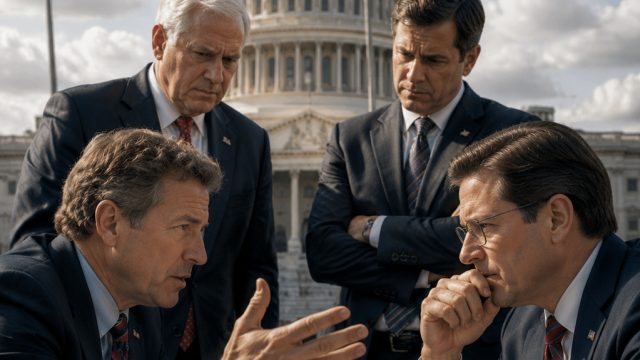
In a significant pivot, the Republican Party is reassessing its long-standing position on Iran, with implications that could reshape U.S. foreign policy. This change comes at a time when diplomatic negotiations with the Iranian government are gaining traction, prompting discussions about peace and stability in the region.
The New Republican Narrative
A Departure from Hardline Rhetoric
Historically, the GOP's stance on Iran has been characterized by a tough approach, often labeling its leaders as adversaries. However, recent commentary from various party members indicates a shift toward a more nuanced understanding of Iran’s government and its populace. This change is attributed partly to former President Donald Trump's evolving rhetoric regarding Iran, as he seeks a potential peace deal.
- Recognizing Iran's role in regional stability
- Strategies for effective diplomacy
- The impact of public opinion on policy changes
Influence of Key Political Figures
Prominent Republican figures are beginning to advocate for a more diplomatic approach. This includes acknowledging the complexities of Iranian society and politics, which often go unnoticed. By encouraging dialogue rather than confrontation, these leaders aim to foster a climate of trust and cooperation.
The Role of Public Sentiment
Voter Perspectives on Foreign Policy
The shifting views of the Republican Party reflect a broader trend among American voters who are increasingly supportive of diplomatic engagement. Polls indicate that a significant portion of the electorate desires a more pragmatic approach to Iran, suggesting that hardline tactics may no longer resonate with the majority.
- Poll results showing support for diplomacy
- The influence of grassroots movements on policy
- Shifts in media narratives regarding Iran
Impact on Upcoming Elections
The evolving stance on Iran could have substantial implications for upcoming elections. Candidates who embrace a more diplomatic approach may find themselves more aligned with voter sentiment, potentially reshaping the GOP’s platform moving forward. As the party navigates these changes, how they frame their policies on Iran will be crucial in appealing to a diverse electorate.
Challenges Ahead
Balancing Internal Party Dynamics
While the shift in attitude towards Iran marks a positive step for some, it also presents challenges. The Republican Party is home to a wide range of views, from hardline traditionalists to those advocating for diplomacy. Balancing these factions will be critical as they define their platform in the current political climate.
- Potential pushback from hardline factions
- Navigating the complexities of Iran’s political landscape
- Future challenges in bipartisan cooperation
Global Repercussions of a New Stance
The implications of a softened Republican stance on Iran extend beyond U.S. borders. Allies and adversaries alike are closely monitoring this shift. A more conciliatory approach could lead to improved relations with other nations in the region, while also influencing global perceptions of U.S. foreign policy.
Conclusion: A Crucial Moment for U.S.-Iran Relations
The Republican Party's reassessment of its approach to Iran signifies a pivotal moment in U.S. foreign policy. As the party grapples with internal divisions and external pressures, the future of U.S.-Iran relations hangs in the balance. Voter sentiment, international dynamics, and party cohesion will play critical roles in shaping this evolving narrative. Understanding these developments is essential for anyone keen on the future of diplomacy and peace in the Middle East.
