
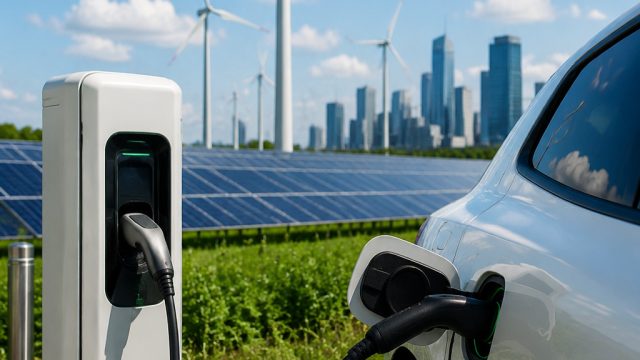
The global shift towards low-carbon technologies is gaining momentum, and specialty credit is emerging as a pivotal player in this transformation. As nations strive to meet ambitious climate goals, understanding the role of financial support for sustainable energy solutions has never been more critical.
Understanding Specialty Credit and Its Importance
Specialty credit refers to financial instruments specifically designed to support the development of innovative technologies that contribute to lower carbon emissions. This type of credit is crucial for businesses pivoting towards renewable energy sources and sustainable practices, enabling them to innovate without the burden of excessive financial risk.
Key Drivers of Specialty Credit in Energy Transition
- Investor Demand: There is a growing appetite among investors for green investments that align with environmental, social, and governance (ESG) criteria.
- Regulatory Support: Governments worldwide are implementing policies to incentivize low-carbon technologies, making specialty credit an attractive option for development.
- Technological Advancements: Breakthroughs in energy technologies are leading to new opportunities for funding and investment.
The Role of Financial Institutions
Financial institutions play a crucial role in channeling specialty credit towards projects that facilitate the energy transition. By offering tailored financing solutions, these institutions help businesses mitigate risks associated with implementing new technologies.
Types of Specialty Credit Solutions Available
- Green Bonds: Fixed-income instruments that fund environmentally friendly projects.
- Sustainable Loans: Loans specifically aimed at projects that meet sustainability criteria.
- Equity Investments: Financial backing in exchange for partial ownership in sustainable ventures.
Challenges and Opportunities Ahead
While the rise of specialty credit presents numerous opportunities, the path forward is not without challenges. Businesses seeking these innovative financing options must navigate a complex landscape of regulations and market dynamics.
Identifying Key Challenges
- Market Volatility: Fluctuations in the market can impact investment in sustainable technologies.
- Regulatory Uncertainty: Changes in policies can create an unpredictable environment for funding.
- Technological Risks: Investing in new technologies carries inherent risks that can deter potential investors.
Harnessing Opportunities in Specialty Credit
- Collaborative Partnerships: Aligning with other stakeholders can enhance credibility and resource sharing.
- Innovation in Financing: Developing new financial models can attract more investment.
- Raising Awareness: Educating potential investors about the benefits of specialty credit can drive growth.
Conclusion: A Sustainable Future through Specialty Credit
The increasing emphasis on low-carbon technologies positions specialty credit as a vital component of the energy transition. By providing essential funding to innovative projects, specialty credit empowers businesses to pioneer sustainable practices and contribute to a cleaner future. As the demand for green solutions continues to rise, it is essential for stakeholders to harness the potential of specialty credit to navigate the challenges ahead and drive the paradigm shift towards a more sustainable world.
