
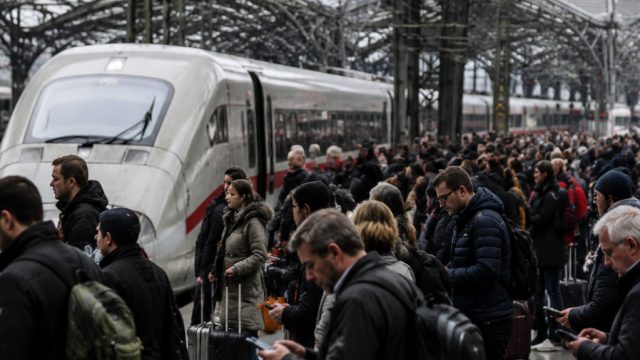
In a significant setback for Germany's famed railway system, Deutsche Bahn (DB) has faced extensive operational disruptions that left numerous passengers stranded and prompted widespread criticism. The chaos, which unfolded late Tuesday, was initially attributed to fears of a cyber-attack, but it was later clarified that the incident stemmed from maintenance activities aimed at upgrading an outdated component in the railway's internal communication structure.
The Incident: What Went Wrong?
On the evening of the disruption, as trains were scheduled to operate normally, a critical failure occurred when DB attempted to replace a key piece of IT infrastructure within its network. This maintenance was part of an ongoing effort to modernize systems that have been in use for decades. Unfortunately, the transition did not go as planned, resulting in a complete standstill of train services across the country.
Initial Reactions and Misunderstandings
In the wake of the incident, many passengers and observers initially speculated that a cyber-attack might be responsible for the sudden halt. This assumption was fueled by recent global concerns surrounding cyber threats targeting critical infrastructure. However, DB quickly reassured the public that this was not the case, emphasizing that the disruption was due to routine maintenance.
The Impact on Passengers
The consequences of this IT failure were dire for passengers. Reports indicated that hundreds of thousands of travelers were affected, scrambling to make alternative arrangements as trains across multiple regions were rendered inoperable. The situation was particularly frustrating for those relying on the railways for essential travel, including commuters returning home after a long day.
Passenger Support and Response Measures
Recognizing the urgency of the situation, Deutsche Bahn implemented a series of measures to assist stranded travelers. Key actions included:
- Providing updates through social media and customer service channels.
- Offering refunds for affected journeys and support for those needing overnight accommodations.
- Coordinating with local transport services to facilitate alternative routes for travelers.
Despite these efforts, the frustration among passengers was palpable. Many took to social media to voice their concerns and dissatisfaction with the service, demanding accountability and improvements to the infrastructure.
The Broader Implications for Germany's Rail Future
This incident highlights larger issues concerning the reliability and modernization of Germany's rail network. As one of Europe's most extensive rail systems, DB is tasked with not only maintaining current operations but also investing in future-ready technology. The recent disruption serves as a wake-up call for the company, prompting a reassessment of its IT strategies and infrastructure resilience.
Investments in Modernization
To mitigate similar issues in the future, DB must prioritize investments in more robust IT systems and proactive maintenance strategies. This includes:
- Upgrading aging infrastructure and ensuring that all technological components are synchronized and secure.
- Implementing advanced monitoring systems that can detect potential failures before they disrupt service.
- Enhancing employee training programs focused on crisis management and response readiness.
As DB grapples with this challenge, collaboration with tech firms and infrastructure experts will be crucial in developing solutions that ensure seamless travel experiences for millions of passengers.
Conclusion: Learning from Disruptions
The halt of Germany's rail services due to IT maintenance issues serves as a significant reminder of the vulnerabilities in modern transportation systems. As the nation seeks to maintain its reputation for efficiency and reliability, it is imperative for DB to learn from this incident, taking concrete steps to improve its infrastructure and service delivery. Only through dedicated efforts can DB hope to regain the trust of its passengers and secure a more reliable future for Germany's rail network.
