
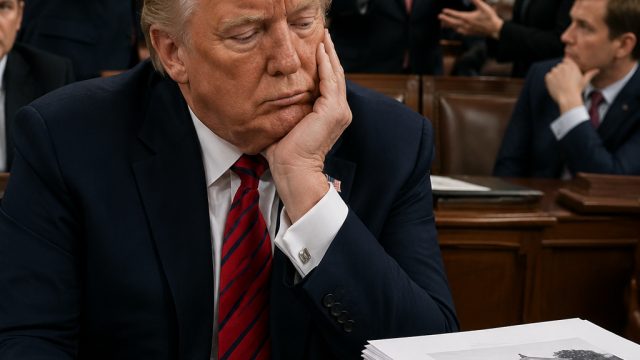
In a surprising turn of events, former President Donald Trump has decided to postpone the signing of a crucial bipartisan housing bill, leading to significant tensions within Congress. This decision comes amidst ongoing negotiations over the SAVE America Act, which has become a focal point of Trump's agenda. The ripple effects of this move are expected to influence not only the housing sector but also the dynamics of Republican unity as the 2024 elections approach.
Context Behind the Housing Bill Delay
The housing bill, which was initially hailed as a significant bipartisan effort to address the escalating housing crisis in the United States, aimed to streamline regulations and provide funding for affordable housing projects. Trump's abrupt cancellation of the signing ceremony raises questions about the future of this important legislation and the willingness of Congress to work across party lines.
The SAVE America Act's Influence
At the heart of the matter is the SAVE America Act, which Trump has been advocating for aggressively. This proposed legislation focuses on voter identification laws and other reforms that align with Trump's vision of election security. By prioritizing this act over the housing bill, Trump is signaling his strategic choice to galvanize his base rather than progress bipartisan initiatives.
Political Ramifications
- Intra-Party Conflicts: Trump's decision highlights deepening rifts within the Republican Party. While some members support his focus on voter ID laws, others are frustrated by the neglect of pressing domestic issues like housing.
- Impact on Housing Initiatives: With the housing bill now in limbo, advocates are concerned that potential funding and support for affordable housing will stall, exacerbating the current crisis.
- 2024 Election Strategy: Trump's moves appear to be strategically designed to solidify his base ahead of the upcoming elections, indicating that issues like housing may take a back seat to partisan agendas.
Reactions from Lawmakers
The reaction from lawmakers has been mixed, with some expressing disappointment over the lost opportunity for progress on housing policy. Senator Jane Doe, a key supporter of the housing bill, stated, "This is a critical moment for us to come together as a Congress to address the needs of our constituents. Trump's focus on the SAVE Act is diverting attention from essential issues."
Conversely, Trump loyalists are rallying around the former president’s emphasis on the SAVE America Act, viewing it as a necessary step to ensure election integrity. This division within the party could have lasting implications as the legislative session progresses.
The Bigger Picture: Housing Crisis in America
As Trump and Congress find themselves at an impasse, it is crucial to consider the broader implications of the housing crisis. The United States is currently facing a significant shortage of affordable housing, with rising rents and home prices pushing many individuals and families to the brink of financial instability. Delays in passing essential legislation like the housing bill could exacerbate these challenges.
Key Statistics
- According to recent reports, nearly 40 million Americans are currently burdened by high housing costs.
- The National Low Income Housing Coalition estimates that there is a shortage of 7 million affordable rental homes in the country.
- Homelessness rates have surged in numerous cities, highlighting the urgency for effective housing policies.
Community Impact
The effects of the housing crisis extend beyond statistics; they resonate deeply within communities. Families are struggling to find safe, affordable places to live, leading to increased rates of eviction and housing instability. Advocacy groups are urging Congress to prioritize housing legislation, arguing that it directly impacts public health, education, and economic stability.
Conclusion: The Path Forward
As the political landscape continues to shift, the future of housing policy in the United States remains uncertain. The tension between Trump’s agenda and the bipartisan goals of Congress could hinder progress during a pivotal time for many Americans. It is essential for lawmakers to seek common ground and prioritize the needs of their constituents, ensuring that critical issues like housing are not sidelined by partisan politics. The coming weeks will be crucial as Congress navigates these challenges and seeks to move toward solutions that address the pressing housing crisis.
