
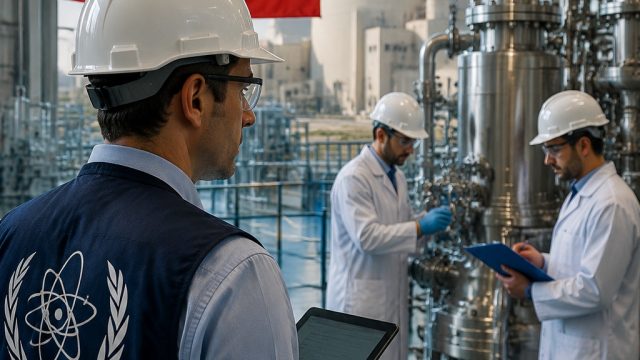
The ongoing dialogue concerning nuclear inspections in Iran underscores a pivotal moment in international diplomacy. As the world watches, the International Atomic Energy Agency (IAEA) has affirmed that inspections will indeed proceed, albeit with the caveat that the timing may not be deemed essential. This announcement raises important questions about the implications for global security and the stability of international relations.
The Importance of Inspections
Nuclear inspections are a cornerstone in preventing the proliferation of nuclear weapons and ensuring that signatories of global treaties adhere to their commitments. The IAEA's role is crucial in this respect. By monitoring nuclear facilities and ensuring compliance, the agency helps to foster trust among nations. However, the effectiveness of such inspections hinges on their timing.
Why Timing Matters
- Prevention of Escalation: Timely inspections can help prevent tensions from escalating into conflicts.
- Building Trust: Regular inspections can reassure other nations that Iran is complying with international agreements.
- Influencing Diplomatic Relations: The timing of inspections can impact negotiations surrounding sanctions and diplomatic engagement.
Current Diplomatic Climate
The geopolitical landscape surrounding Iran remains complex. With multiple nations involved in negotiations, the stakes are high. Recent discussions have seen varied responses from Iranian officials, with some suggesting that inspections will only occur post-final agreement. This stance poses a challenging dynamic for negotiators seeking to secure a more comprehensive deal.
Reactions from Global Leaders
Leaders from various countries have weighed in on the situation:
- U.S. Officials: They emphasize the need for immediate inspections to build confidence in negotiations.
- European Allies: They advocate for a balanced approach, seeking both compliance and diplomacy.
- Iranian Officials: They call for a framework that ensures their sovereignty is respected while engaging in talks.
Potential Outcomes of Delayed Inspections
The decision to delay inspections could have far-reaching consequences. If inspections are postponed, several potential outcomes may arise:
- Increased Tensions: Lack of oversight may lead to suspicions and increased military posturing.
- Strained Diplomatic Relations: Nations may take unilateral action that could fragment current alliances.
- Policy Shifts: Countries may reconsider their approaches to both Iran and nuclear policy in broader terms.
Conclusion: A Call for Timely Action
As the IAEA moves forward with plans for inspections, the emphasis on timing cannot be understated. The interconnected nature of global politics necessitates a proactive approach, especially when it comes to nuclear oversight. Timely inspections could pave the way for more robust diplomatic efforts, fostering a climate of cooperation rather than conflict. The world’s eyes remain fixed on Iran and the decisions that will shape the future of international relations.
