
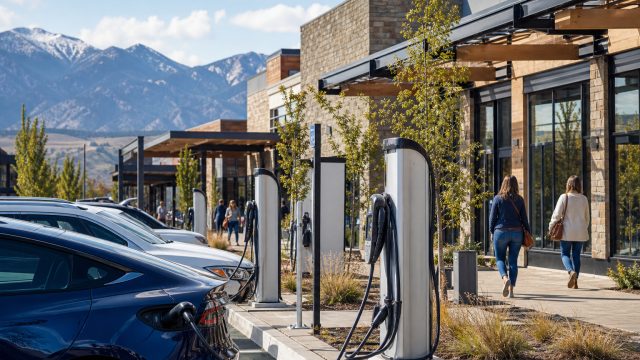
As electric vehicles (EVs) become increasingly mainstream, states across the U.S. are implementing regulations to foster a robust charging infrastructure. One significant development is taking place in Colorado, where new rules governing retail electric vehicle chargers will come into effect on July 1, 2023. These regulations are set to reshape the retail landscape, providing both challenges and opportunities for businesses in the state.
Understanding the New Regulations
The Colorado Energy Office has unveiled a comprehensive framework aimed at enhancing the accessibility and reliability of EV chargers within retail spaces. These new rules focus on several key areas:
- Installation Requirements: Retailers are now mandated to install a certain number of chargers based on the size of their establishment. This aims to ensure that charging options are readily available to consumers.
- Pricing Transparency: Retailers must display clear pricing information for charging services. This transparency is crucial in building consumer trust and encouraging the use of EVs.
- Maintenance Standards: Regular maintenance and uptime reporting will be required, ensuring that charging stations are operational and reliable for EV users.
Why These Changes Matter Now
The push for new regulations comes at a time when EV adoption is surging across Colorado and the nation. With more drivers switching to electric vehicles, the demand for accessible and reliable charging infrastructure is at an all-time high. Several factors make these changes particularly timely:
Increased EV Sales
Colorado has seen a remarkable increase in EV sales over the past few years. In 2022, sales jumped by over 30%, and this trend is expected to continue. Ensuring that the infrastructure keeps pace with this growth is vital for maintaining consumer confidence in electric vehicles.
Environmental Impact
With climate change at the forefront of public concern, the transition to electric vehicles is considered a critical step in reducing carbon emissions. By improving charging access, Colorado is making strides toward a greener future.
Support for Retailers
Retailers can benefit from these regulations by attracting EV owners who are looking for convenient charging options while they shop. This can lead to increased foot traffic and revenue opportunities for businesses that adapt quickly to these new rules.
Challenges Ahead for Retailers
While the new regulations offer numerous advantages, they also present challenges for retailers:
- Initial Investment: The upfront cost of installing EV chargers can be significant, which may deter some businesses from compliance.
- Space Constraints: Urban retailers, in particular, may struggle with the physical space required to install charging stations.
- Technical Training: Staff may need training on how to manage and maintain charging equipment, adding another layer of complexity for retailers.
Future Outlook for EV Charging in Colorado
As Colorado implements these new regulations, the future of EV charging infrastructure in the state looks promising. Enhanced collaboration between government agencies, utilities, and retailers will be essential for creating a comprehensive network of charging stations. Here are some key considerations for the future:
Incentives and Support Programs
The state government is likely to introduce incentives to assist retailers in covering the costs of installation and compliance. Programs promoting rebates for installing EV chargers could significantly mitigate costs for businesses.
Integration with Smart Technology
Future developments may also include the integration of smart technology in EV chargers, allowing for features such as reservation systems, payment options via mobile apps, and real-time availability updates. Such advancements will enhance user experience and further encourage EV adoption.
Community Engagement
Encouraging community input in the planning and deployment of charging infrastructures can lead to more successful outcomes. Engaging with local residents and businesses will ensure that the charging landscape meets the needs of the community.
Conclusion
The upcoming regulations in Colorado represent a pivotal moment for the retail electric vehicle charging landscape. As businesses adapt to these rules, it will be crucial for them to leverage this opportunity to not only comply with regulations but also to attract a growing base of environmentally conscious consumers. By embracing the future of electric vehicle infrastructure, retailers can position themselves as leaders in the transition to a sustainable economy.
