

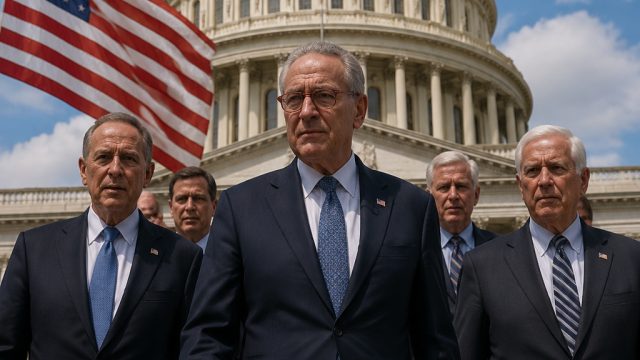
In a significant move that showcases the evolving landscape of U.S. foreign relations, the Senate has approved a resolution aimed at limiting the military powers of the Trump administration regarding Iran. This decision marks a pivotal moment in U.S. policy, indicating a desire among lawmakers to rein in executive authority in matters of war.
The Context Behind the Resolution
The resolution emerged in the wake of escalating tensions between the United States and Iran, particularly following a series of military actions that raised concerns among lawmakers about the potential for conflict. The Senate's decision signals a rare bipartisan agreement on the necessity of restraining military interventions without congressional approval.
Understanding the Implications
- Checks and Balances: The resolution emphasizes the importance of restoring checks and balances within the government.
- Legislative Authority: It reinforces the role of Congress in decisions related to military engagements.
- International Relations: The resolution could impact ongoing diplomatic efforts with Iran and other nations.
Key Points from the Senate Debate
During the Senate debate, various senators articulated their concerns regarding the potential for unchecked military action, advocating for a more collaborative approach to foreign policy. The discussions highlighted several critical points:
1. Military Engagements and Executive Power
Many senators voiced apprehension about the implications of executive overreach, emphasizing that the decision to engage in military action should not rest solely with the President. They argued that such actions require thorough debate and consent from Congress.
2. Bipartisan Support for the Resolution
The resolution saw support from both sides of the aisle, reflecting a rare moment of unity in a polarized political environment. This alignment suggests a growing consensus that national security decisions should involve a broader spectrum of voices.
The Broader Impact on U.S. Foreign Policy
The passage of this resolution could have lasting ramifications on U.S. foreign policy, particularly concerning its approach to Iran and the Middle East. Analysts predict several outcomes:
Strengthened Diplomatic Efforts
By limiting military action, the resolution may pave the way for enhanced diplomatic initiatives with Iran. This shift could foster a more open dialogue aimed at resolving ongoing conflicts and reducing tensions in the region.
Potential for Legislative Action
As lawmakers continue to assert their role in military decision-making, we may see an uptick in legislative actions aimed at establishing clearer protocols for engaging in conflict. This could involve future resolutions or reforms to the War Powers Act.
Conclusion: A Turning Point for U.S. Governance
The Senate's recent resolution concerning Iran is more than just a legislative act; it signifies a critical shift in how the U.S. approaches foreign policy and military engagement. By prioritizing dialogue and collaboration, lawmakers are advocating for a balanced approach that aims to restore trust and accountability within the government. As global dynamics continue to evolve, the impact of this resolution will be closely watched by both supporters and critics alike.
