

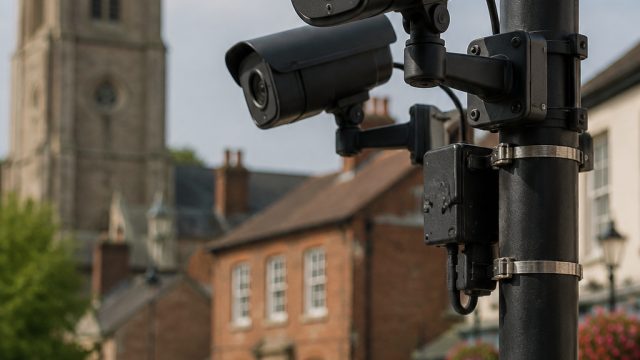
The Tiverton Town Council has made a pivotal decision to enhance its surveillance network by expanding the presence of Flock Safety cameras in the area. This move has sparked a mixture of support and concern among residents, illuminating the ongoing debate over community safety versus privacy invasion. In this article, we will explore the implications of this expansion, the community's response, and what it means for the future of policing in Tiverton.
The Decision Process
During a recent town council meeting, the decision to expand the use of Flock Safety cameras was made despite vocal opposition from several residents. Council President Edwards acknowledged receiving numerous emails and public comments expressing concerns. However, he countered these worries by questioning the existence of specific crime incidents that such surveillance would address.
Public Sentiment
- Many residents expressed fears about increased surveillance and its potential misuse.
- Opponents argue that safety should not come at the cost of personal privacy.
- Supporters claim that these cameras deter crime and enhance community safety.
Understanding Flock Safety Cameras
Flock Safety cameras are designed to capture license plate information, assisting law enforcement in tracking vehicles linked to criminal activity. The technology promises to provide real-time data that can help solve crimes and ensure a quicker response to incidents. Yet, the deployment of such technology raises essential questions:
Key Considerations
- Effectiveness: Do these cameras significantly reduce crime rates?
- Data Privacy: What measures are in place to protect personal information?
- Community Engagement: Are residents adequately informed about the surveillance practices?
Community Impact
The expansion of surveillance cameras can have far-reaching impacts on both the perception and reality of safety in Tiverton. While some argue that increased surveillance can deter crime, others maintain that it can foster a culture of mistrust among community members.
Potential Benefits
- Enhanced crime-solving capabilities through rapid data access.
- Increased deterrence against potential criminal activities.
- Improved public safety perception among residents.
Challenges and Concerns
- Loss of privacy and the risk of data misuse.
- Potential for over-surveillance and its implications for civil liberties.
- Need for transparency and community involvement in future decisions.
Looking Ahead
As Tiverton moves forward with expanding the Flock Safety camera program, it is crucial for the town council to address the public's concerns transparently. Engaging in open dialogues, establishing strict data protection protocols, and regularly reviewing the program's effectiveness can help balance community safety with individual privacy rights.
Building a Collaborative Future
It is essential for stakeholders, including local government, law enforcement, and residents, to collaborate on developing safety measures that reflect the community’s values. As this narrative unfolds, the experiences in Tiverton may set a precedent for other municipalities considering similar surveillance technologies.
Conclusion
The Tiverton Town Council's decision to expand Flock Safety cameras marks a significant step in local governance, reflecting broader trends in the use of technology for public safety. As discussions around surveillance continue, it remains vital for towns to prioritize transparency and public engagement. The current situation serves as a reminder that while community safety is paramount, it should not come at the expense of privacy and trust among residents.
