

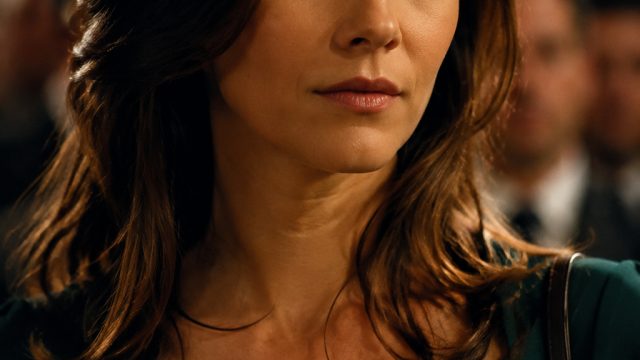
The release of Christopher Nolan's The Dark Knight in 2008 marked a significant moment in the superhero film genre, not only for its groundbreaking storytelling and character development but also for the changes in its cast. One notable aspect was the recasting of the character Rachel Dawes, originally portrayed by Katie Holmes in Batman Begins. This decision has sparked discussions among fans and critics alike, and it is essential to explore the factors that led to this change and its implications for the film.
The Importance of Rachel Dawes in the Batman Narrative
Rachel Dawes serves as a crucial character in the Batman saga, embodying Bruce Wayne's emotional core. She is depicted as a childhood friend and love interest of Bruce, representing the life he could lead if he were not consumed by his crusade against crime. This connection adds depth to Bruce's character, making Rachel not just a romantic interest but a pivotal part of his moral dilemmas.
The Impact of Recasting on Character Development
Recasting a character can significantly influence how audiences perceive them and their relationships with other characters. The decision to replace Holmes with Maggie Gyllenhaal brought a different energy to Rachel's character, allowing for a fresh interpretation that added emotional weight to the storyline. Gyllenhaal's portrayal showcased a more assertive and complex version of Rachel, aligning well with Nolan's darker, more nuanced take on the Batman mythos.
Factors Behind the Change
Several reasons contributed to the decision to recast Rachel Dawes, each highlighting the challenges and dynamics of Hollywood casting:
- Scheduling Conflicts: Katie Holmes was reportedly unable to reprise her role due to scheduling conflicts with other projects, which opened the door for a new actress to step in.
- Creative Direction: Nolan's vision for The Dark Knight was ambitious, aiming to delve deeper into the themes of chaos and morality. This new approach might have influenced the decision to find an actress who could bring a different vibe to Rachel.
- Audience Expectations: Following the success of Batman Begins, expectations were high for the sequel. Gyllenhaal's casting was seen as a move to elevate the narrative and character dynamics further.
Comparative Performances
While both actresses brought their unique styles to the character, Gyllenhaal's interpretation of Rachel Dawes is often praised for its depth and complexity. In contrast, Holmes' portrayal was seen as more naive and innocent. This shift in character representation allowed The Dark Knight to explore darker themes, reflecting the chaotic world Gotham faced.
The Legacy of Rachel Dawes
Despite her limited screen time in Nolan's trilogy, Rachel Dawes remains a significant figure in the Batman narrative. Her character's evolution and the recasting decision contributed to the film's overall themes, making her a memorable part of Bruce Wayne's journey.
Influence on Future Adaptations
The recasting of Rachel Dawes has set a precedent for future superhero films, showcasing the importance of casting choices in narrative development. As filmmakers continue to adapt comic book stories for the big screen, the emphasis on strong female characters who can hold their own against male protagonists is becoming more pronounced.
Conclusion: Why This Matters Now
As the superhero genre continues to thrive, the recasting of Rachel Dawes in The Dark Knight serves as a reminder of the impact casting decisions can have on storytelling. It underscores the importance of character development and the necessity for new interpretations in the ever-evolving cinematic landscape. With upcoming adaptations of beloved comic book characters, the lessons learned from Rachel's recasting are more relevant than ever, encouraging a focus on depth, complexity, and the significance of every character in the narrative tapestry. Fans of the superhero genre must pay attention to these evolving portrayals, as they shape the future of cinematic storytelling.
