

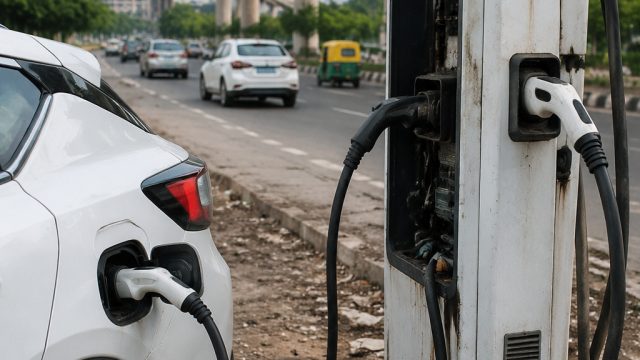
India stands on the brink of a transformative shift in transportation, as the nation accelerates its adoption of electric vehicles (EVs). While government initiatives and consumer interest are driving this change, the major hurdle lies in the underdeveloped charging infrastructure. The current landscape presents a critical moment for stakeholders to address these issues to support the burgeoning EV market.
The Current State of Electric Vehicle Adoption in India
With rising concerns over air pollution and a commitment to reducing carbon emissions, India's government has set ambitious targets for the EV sector. The goal is to achieve 30% electric vehicle penetration by 2030. In recent years, financial incentives and subsidies have been rolled out to encourage manufacturers and buyers alike. However, despite these efforts, the growth of EVs is outpacing the development of necessary charging facilities.
Government Initiatives and Market Response
The Indian government has implemented various policies, including the Faster Adoption and Manufacturing of Electric Vehicles (FAME) scheme, aimed at promoting electric mobility. These initiatives have spurred the production of EVs and created a favorable environment for investment in the sector. Yet, the response from the market has been mixed. Many consumers are hesitant to switch to electric vehicles due to worries about the availability of charging points.
- Rapid growth in EV sales, yet charging infrastructure remains sparse.
- Government incentives available, but consumer confidence lags.
- Automakers are ramping up production, anticipating future demand.
Challenges in Charging Infrastructure Development
The lack of a robust charging network is one of the primary factors hindering the widespread adoption of EVs in India. Major metropolitan areas are beginning to see charging stations, but rural regions remain largely underserved. Factors contributing to this disparity include:
1. Limited Availability of Charging Stations
While some cities have made strides in installing charging stations, many regions still lack basic access. Without a comprehensive network, potential EV buyers are deterred from making the switch. This gap creates a cycle of low adoption rates and insufficient investment in infrastructure.
2. High Installation Costs
The cost of setting up charging stations can be a barrier for businesses and local governments. Without financial support or subsidies, many feel unable to invest in stations that would serve only a handful of electric vehicles.
3. Technological Adaptation
As EV technology evolves, so too does the need for charging infrastructure to keep pace. The rise of fast-charging technology requires an upgrade of existing electrical grids, which can be a daunting task for many areas.
Innovative Solutions to Bridge the Gap
To ensure the success of India’s electric vehicle initiative, innovative solutions must be implemented to address these infrastructure challenges. Potential strategies include:
- Public-Private Partnerships: Engaging private companies in the development of charging networks can accelerate infrastructure growth.
- Mobile Charging Stations: Temporary and mobile charging solutions can provide relief in underserved areas while permanent stations are developed.
- Government Incentives for Installation: Offering subsidies for the installation of charging stations can motivate businesses to invest in this essential infrastructure.
Consumer Education and Awareness
Another critical aspect of boosting EV adoption is consumer education. Many potential buyers are unaware of the benefits of electric vehicles or how charging works. Educational campaigns can help demystify the technology and encourage more people to consider making the switch to electric. Key points to promote include:
- The environmental benefits of reducing carbon footprints.
- The long-term cost savings associated with lower fuel and maintenance costs.
- The growing network of available charging options and technology improvements.
Conclusion: The Road Ahead for India’s EV Market
India's push toward electric vehicles is an integral part of its strategy for a sustainable future. However, for the EV market to thrive, significant investments in charging infrastructure are essential. By addressing the current gaps in availability and accessibility, both the government and private sector can work together to lay the groundwork for a robust electric vehicle ecosystem. As this journey unfolds, it becomes increasingly vital to engage consumers and to ensure that the infrastructure keeps pace with the fast-growing demand. Immediate actions taken today will set the stage for a cleaner, more sustainable tomorrow.
