

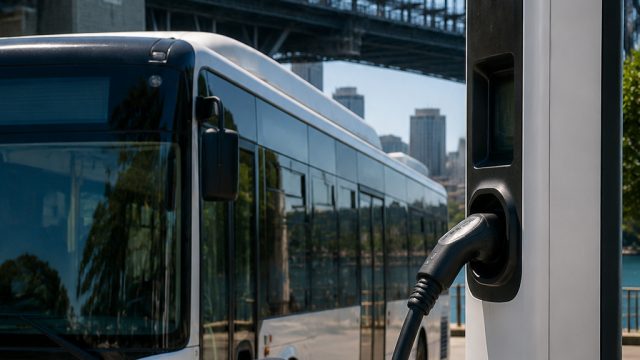
In a significant step towards sustainable public transport, New South Wales (NSW) has announced a groundbreaking investment of AU$6.5 billion over the next decade to develop an extensive electric bus program. This initiative is not just about modernizing the bus fleet; it represents a pivotal shift in the state’s commitment to reducing carbon emissions and embracing greener technologies.
The Importance of Electric Buses in Public Transport
Electric buses play a crucial role in enhancing public transport systems. With the global push towards electrification, they offer numerous benefits:
- Environmental Impact: Reducing greenhouse gas emissions is vital for combating climate change. Electric buses emit zero tailpipe emissions, significantly lowering the carbon footprint.
- Cost Efficiency: Although the initial investment is substantial, electric buses have lower operating costs compared to diesel buses. This translates to savings in fuel and maintenance over time.
- Noise Reduction: Electric buses operate more quietly than their gas-powered counterparts, contributing to a more pleasant urban environment.
NSW's Strategic Vision
The NSW government's AU$6.5 billion investment aligns with its broader strategic vision to foster a sustainable future. This program is part of a comprehensive plan to transition public transportation to cleaner alternatives that can accommodate the increasing population while ensuring environmental stewardship.
Key Features of the Electric Bus Program
The electric bus initiative includes several critical components designed to enhance its effectiveness:
- Infrastructure Development: Investment in charging infrastructure to support electric fleets throughout the region.
- Job Creation: The program is expected to create thousands of jobs across various sectors, from manufacturing to maintenance.
- Community Engagement: Public consultations and engagement strategies to involve local communities in the transition process.
Implementation Timeline
The rollout of this ambitious program is set to occur in phases over the next ten years. Key milestones include:
- Phase 1: Initial deployment of electric buses in urban areas to assess performance and reliability.
- Phase 2: Expansion into suburban regions, integrating electric buses into existing transport networks.
- Phase 3: Full operational capacity with a significant percentage of the bus fleet converted to electric by 2033.
Why This Matters Now
The timing of this investment is critical, as the world faces unprecedented challenges posed by climate change and urban congestion. With more cities looking to mitigate their environmental impact, New South Wales sets a precedent that could influence other regions globally.
Moreover, as electric vehicle (EV) technology continues to evolve, leveraging it for public transport can lead to innovations that benefit not only urban centers but also rural communities. This approach signifies a move towards an integrated transport solution that prioritizes both accessibility and sustainability.
The Future of Electric Vehicles in Australia
The electric bus program is just one component of a larger movement towards electrification in Australia. With increasing investments in EV infrastructure and growing consumer adoption of electric cars, the future looks promising. Electric buses will complement personal electric vehicles, creating a holistic approach to reducing reliance on fossil fuels.
Conclusion
The AU$6.5 billion electric bus program initiated by New South Wales represents a monumental step towards a sustainable transport future. It not only addresses immediate transportation needs but also lays the groundwork for a cleaner, greener Australia. As more regions look to follow suit, the NSW initiative could serve as a model for effective public transport transformation worldwide. This investment is not just an expenditure; it’s a commitment to a sustainable, eco-friendly future that prioritizes the health of the planet and its inhabitants.
