

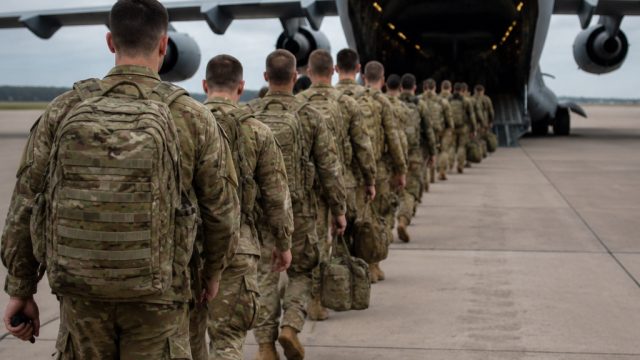
In a significant development for international military relations, Prime Minister Rumen Radev announced that all American aircraft stationed at the Vasil Levski Airport in Sofia will vacate by the end of this month. This decision has raised important questions regarding its implications for regional security and the future of military partnerships.
The Timeline for Departure
As per the latest updates, the U.S. military aircraft are expected to be relocated within the next six days. This move aligns with Radev's previously stated timeline, marking a decisive moment in U.S.-Bulgaria relations. The prime minister indicated that the extension of the aircraft's stay hinged on the resolution of specific conditions, which have now been met.
Understanding the Context
This departure comes amid broader geopolitical shifts and discussions surrounding military presence in Eastern Europe. With tensions in the region often fluctuating, the withdrawal of U.S. forces is a critical event.
Impact on Regional Stability
The vacuum left by the U.S. military presence in Bulgaria could have a ripple effect on regional security dynamics. Analysts are closely monitoring how this departure will influence:
- Defense Strategies: Neighboring countries may need to reassess their defense strategies in light of reduced American military capabilities.
- Military Collaborations: The departure might impact joint training exercises and collaborative defense initiatives that involve U.S. forces.
- Local Military Readiness: Bulgaria's own military apparatus may be tested to fill the gap left by U.S. forces in terms of air support and surveillance.
International Reactions
The news of U.S. aircraft departing has already sparked reactions from various international stakeholders. While some view it as a means for Bulgaria to assert its sovereignty, others express concerns about the potential reduction of deterrence against regional threats.
Looking Ahead: What This Means for Bulgaria
As the situation unfolds, it is crucial for Bulgaria to navigate the complexities of international relations carefully. The U.S. withdrawal may indeed prompt a shift in military strategy, but it also provides an opportunity for Bulgaria to strengthen its independence in defense matters.
Potential Strategies for Bulgaria
Going forward, Bulgaria may consider the following strategies to maintain its security balance:
- Increase Local Defense Spending: Investing in domestic military capabilities could help Bulgaria compensate for the absence of U.S. support.
- Forge New Alliances: Strengthening ties with other NATO allies may counterbalance the withdrawal of U.S. forces.
- Enhance Intelligence Sharing: Collaborating with EU partners for intelligence and surveillance can ensure continued security vigilance.
Conclusion
The impending departure of U.S. military aircraft from Bulgaria marks a pivotal change in the country's defense landscape. As this transition unfolds, it underscores the importance of strategic planning and adaptability in an ever-evolving geopolitical climate. The actions taken by the Bulgarian government in the coming months will be crucial for preserving stability and ensuring the country's defense remains robust in the face of new challenges.
