
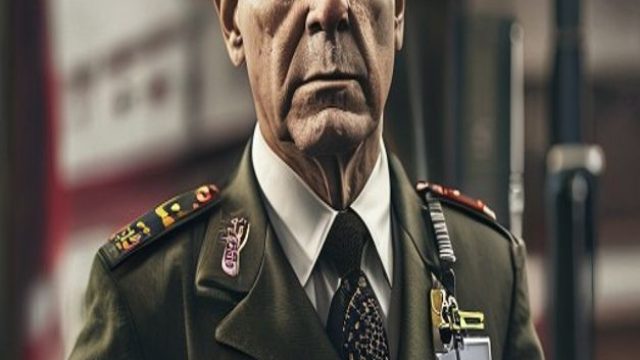
The Pentagon is experiencing significant shifts in military leadership as General Chris Donahue, a prominent and respected figure, prepares to retire. His exit marks a pivotal moment for the Army, raising questions about the future direction of military leadership amidst ongoing global challenges. This change comes at a time when the need for strong military guidance is more critical than ever.
The Context of General Donahue's Retirement
General Donahue, who has led Army operations in both Europe and Africa, has been a key player in shaping military strategy during complex geopolitical times. His departure, influenced by internal dynamics within the Pentagon, signifies not just a personal career milestone, but also a substantial shift in military oversight at a strategic level.
Why This Matters Now
The timing of this retirement could not be more crucial. As the global landscape becomes increasingly contentious, the Army's leadership is under scrutiny, with observers keenly watching how these changes will affect future military initiatives. The following aspects underscore the significance of this transition:
- Leadership Stability: The Army relies on experienced leaders to navigate evolving threats. General Donahue's extensive background has been instrumental in maintaining operational readiness.
- Strategic Priorities: His successor will shape the Army's approach to pressing issues such as international alliances and defense readiness.
- Internal Dynamics: The internal struggle regarding leadership decisions highlights issues within military hierarchy, potentially affecting morale and strategic focus.
The Leadership Shake-Up at the Pentagon
General Donahue’s retirement is part of a larger trend of high-profile departures from the Pentagon, which has sparked discussions about the future of military command and structure. This shake-up is seen by many as an opportunity for rejuvenation and innovation within the Army leadership ranks.
What This Means for the Army's Future
With General Donahue retiring, the Army stands at a crossroads, where new leadership can bring fresh perspectives. The next appointee will have the challenge of continuing the Army's commitment to strategic preparedness while fostering unity among forces.
- Emphasis on Innovation: New leaders may prioritize modernizing the Army’s capabilities to adapt to emerging threats.
- Focus on Collaboration: The importance of working alongside allies can’t be understated, especially as military operations increasingly rely on joint efforts.
- Reinforcing Morale: Maintaining troop morale and cohesion will be essential as leadership transitions unfold.
Looking Ahead: The Legacy of General Donahue
As General Donahue steps down, his legacy will undoubtedly influence his successor and the Army's trajectory. His leadership during critical operations is commendable, and he leaves behind a foundation for continued growth and adaptation.
Honoring a Distinguished Career
General Donahue’s career is a testament to dedication and service. As the Army prepares for a new chapter, recognizing the contributions of seasoned leaders like him will be essential in fostering a culture of respect and honor within military ranks.
Conclusion: Embracing Change
The retirement of General Chris Donahue signifies more than the conclusion of a military career; it represents a call for the Army to embrace change and adapt to the challenges of the future. As the Pentagon navigates this transition, the emphasis on strong leadership, strategic innovation, and collaborative efforts will be paramount in upholding the Army's mission.
