
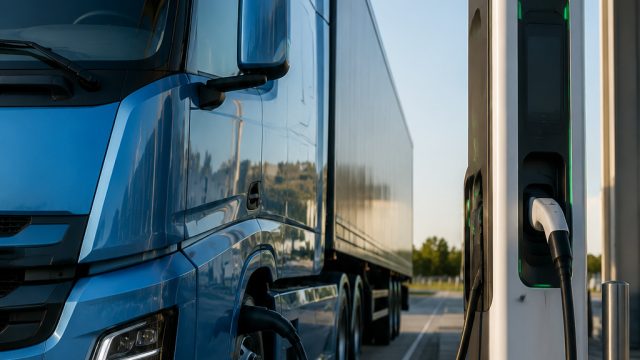
The trucking industry is on the cusp of a significant transformation as electric trucks begin to redefine logistics. As concerns about environmental sustainability heighten and technological advancements propel new solutions, the transition from traditional diesel-powered vehicles to electric models is more relevant than ever. This shift not only impacts the way goods are transported but also encourages the development of supporting infrastructure, like electric vehicle (EV) charging stations.
Why Electric Trucks Matter Now
The urgency to transition to electric trucking is driven by several factors:
- Environmental Impact: Reducing carbon emissions is critical for combating climate change.
- Operational Efficiency: Electric trucks often have lower maintenance costs and fuel savings.
- Regulatory Changes: Governments worldwide are implementing stricter emissions regulations, pushing companies to adapt.
The Current Landscape of Electric Trucking
As the demand for greener logistics solutions increases, many companies are adopting electric vehicles. Industry leaders are investing in electric models, showcasing their potential to facilitate clean transportation. This transition aligns with global efforts to mitigate pollution and foster sustainable practices in logistics.
Challenges the Industry Faces
While the advantages are compelling, several challenges must be addressed for electric trucking to become mainstream:
- Charging Infrastructure: An extensive network of EV charging stations is essential for supporting electric trucks on long hauls.
- Range Limitations: Many electric trucks currently face restrictions in range compared to diesel counterparts, which can affect logistics planning.
- Initial Investment: The higher upfront costs of electric trucks may deter some companies from making the switch.
Advancements in Technology
Innovations in battery technology and charging capabilities are crucial to overcoming these hurdles. Automakers and tech companies are collaborating to enhance range and reduce costs, making electric trucks a more viable option:
- Improved Battery Life: New battery technologies are extending the operational range of electric trucks.
- Fast-Charging Solutions: Development of high-speed charging stations is essential for reducing downtime.
- Smart Logistics Systems: Integration of technology in route planning can optimize energy consumption and battery life.
Government Incentives and Support
Governments globally are recognizing the potential of electric trucks in reducing greenhouse gases and are providing various incentives:
- Subsidies and Tax Breaks: Financial incentives encourage businesses to invest in electric truck fleets.
- Grants for Infrastructure Development: Funding is available for setting up charging stations, facilitating easier transitions for trucking companies.
- Research and Development Funding: Support for innovation in electric truck technology fosters industry growth.
Looking Ahead: The Future of Electric Trucking
The future of the trucking industry is leaning toward electrification as more companies recognize the long-term benefits. With ongoing advancements in technology, infrastructure, and government support, the transition to electric trucks is not just a possibility but an imminent reality. Logistics firms that adopt this change can expect improved efficiency, a reduction in operational costs, and a significant contribution to environmental sustainability.
Conclusion: Embrace the Change
The electric trucking revolution is underway, and it is essential for industries to embrace this change. With the right investments and innovations, the transition to electric vehicles in logistics will pave the way for a more sustainable future, transforming the way goods move across the globe. As the industry gears up to tackle these challenges, the potential for electric trucks to redefine logistics and contribute to environmental goals stands clear. For trucking companies, the time to adapt is now.
