
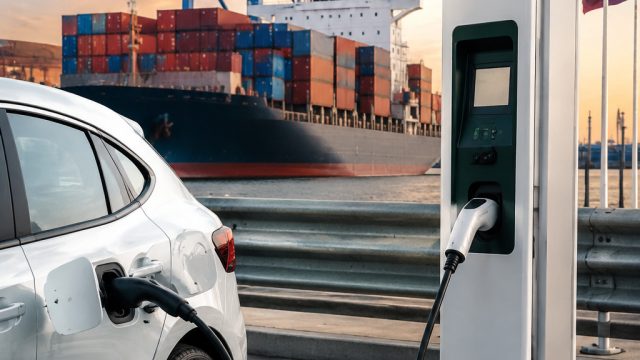
In a significant announcement, India's trade relations with Latin America are poised to double, reaching a projected value of USD 100 billion by the year 2030. This ambitious target, which rises from the current trade volume of USD 50 billion, underscores a critical shift in global economic dynamics, particularly in light of recent geopolitical developments and shifting market conditions.
The Importance of India-Latin America Trade Relations
As nations around the globe continue to grapple with economic uncertainties, the strengthening of trade ties between India and Latin America presents new opportunities for businesses and investors alike. This growth is not merely a statistic; it reflects the potential for innovation and collaboration across sectors. The following key points illuminate the importance of this trade expansion:
- Diverse Markets: Latin America offers a vast array of markets for Indian goods and services, from agriculture to technology.
- Investment Opportunities: As trade grows, so too do investment opportunities for businesses looking to expand their footprint.
- Strategic Partnerships: Enhanced collaborations can lead to new ventures and partnerships benefiting both regions.
Current Trends Driving Trade Growth
Several trends are currently accelerating this trade growth between India and Latin America. Understanding these trends is crucial for businesses aiming to leverage the potential of this emerging market landscape.
1. Increasing Demand for Indian Products
With a growing middle class in Latin America, there has been a noticeable increase in demand for Indian products, particularly in pharmaceuticals, textiles, and technology. This trend is paving the way for Indian companies to establish a stronger presence in the region.
2. Focus on Sustainable Development
Both India and many Latin American countries are prioritizing sustainable development. As businesses in these regions focus on environmentally friendly practices, there is a significant opportunity for collaboration, especially in renewable energy technologies.
3. Digital Transformation
The rise of digital platforms is changing how businesses operate and connect globally. E-commerce and digital financial solutions are allowing Indian companies to access Latin American consumers more effectively than ever before.
Government Initiatives Supporting Trade
To facilitate this growth in trade, both governments have initiated various programs aimed at enhancing economic cooperation:
- Trade Agreements: New bilateral agreements are being negotiated to eliminate trade barriers and tariffs, making it easier for businesses to trade.
- Business Forums: Regular trade forums and exhibitions are promoting networking among entrepreneurs from both regions.
- Investment Incentives: Governments are providing incentives for investments in key sectors, particularly in technology and infrastructure.
Challenges Ahead and the Path Forward
Despite the optimistic outlook for India-Latin America trade relations, several challenges must be addressed to achieve the USD 100 billion target:
- Logistical Issues: Enhancing logistics and supply chain infrastructure is crucial in supporting increased trade volumes.
- Cultural and Language Barriers: Navigating cultural differences and language barriers remains a challenge for many businesses.
- Economic Stability: Economic fluctuations in either region could pose risks to trade growth.
To ensure sustainable growth, stakeholders must collaborate to devise solutions for these challenges while maximizing the opportunities presented by evolving trade dynamics.
Conclusion
The ambitious target of USD 100 billion in trade between India and Latin America by 2030 signifies a transformative opportunity for both regions. By embracing collaboration and innovation, businesses can position themselves favorably in this expanding market landscape. As global trade continues to evolve, the efforts made today will shape the economic landscape of tomorrow.
