
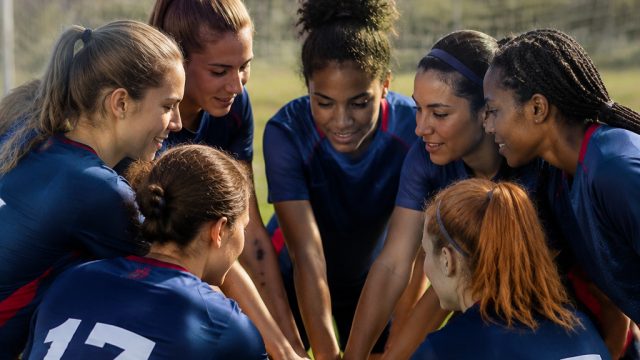
In a groundbreaking achievement, the U.S. men's soccer team has secured its position in the knockout stage of the ongoing international tournament. This milestone underscores a significant trend in American sports, particularly soccer, where a rich tapestry of backgrounds among athletes is becoming increasingly visible. The team's composition, with a notable percentage of players born outside the United States, reflects the changing dynamics of American soccer and its growing global influence.
A Diverse Lineup Ready to Compete
Last week, the U.S. team triumphed over Australia, propelled by the exceptional skills of players like Gio Reyna, Antonee Robinson, and Sebastian Berhalter, who hail from the United Kingdom. Other key contributors include Sergiño Dest from the Netherlands, Malik Tillman of German descent, and Alejandro Zendejas, whose Mexican heritage plays a pivotal role in his performance.
Immigrant Roots Fueling the Team's Success
The strength of the U.S. national team is not just about athletic prowess; it's deeply connected to the diverse backgrounds of its players. For instance, Haji Wright, a forward, brings a unique heritage, being born to a father from Ghana and a mother from Liberia. Similarly, Ricardo Pepi draws inspiration from his family's journey, with roots in Mexico. Such narratives not only enrich the team's identity but also resonate with a wide audience, fostering a sense of unity across different cultures.
- Gio Reyna - Born in the U.S. to a family with English roots
- Sergiño Dest - Represents the Netherlands but plays for the U.S.
- Haji Wright - A blend of Ghanaian and Liberian backgrounds
- Christian Pulisic - Grandson of a Croatian immigrant
The Impact of Cultural Diversity on Team Performance
The inclusion of players from various cultural backgrounds has proven beneficial not only for the team’s performance on the field but also for enhancing its appeal off the field. With every match, the team showcases how diversity can lead to greater creativity, adaptability, and resilience—key attributes necessary for succeeding in international competitions.
Community Connections and Fan Engagement
The U.S. soccer team's diverse lineage enables it to connect with a broader spectrum of fans across the country. As soccer continues to gain traction in the United States, the representation of different cultures within the team creates a relatable narrative for many young athletes who see their own stories reflected on the field.
Moreover, this diversity has the potential to inspire future generations of players and fans, encouraging aspiring soccer stars from immigrant families to dream big and pursue their passions without being limited by their backgrounds.
Looking Ahead: The Future of U.S. Soccer
As we witness the unfolding of this tournament, the U.S. soccer team's journey is a testament to the power of inclusion and diversity. With players like Folarin Balogun, who made headlines by scoring two goals in the opening match against Paraguay, the future of American soccer looks promising. Born in Brooklyn to a Nigerian mother, Balogun’s journey exemplifies the rich cultural mosaic that is defining the team's current and future success.
A Call to Embrace Diversity
As the tournament progresses, it is imperative for fans, stakeholders, and aspiring players to recognize the importance of diversity in sports. Supporting a team that reflects a multitude of cultures not only enriches the sporting experience but also paves the way for a more inclusive society. The ongoing success of the U.S. national team serves as a reminder that every player’s story is part of a larger narrative that can inspire hope and change.
Conclusion
The U.S. men’s soccer team is more than just a group of athletes; it is a representation of America’s evolving identity. As they continue their quest for victory in the international arena, their diverse backgrounds and shared experiences resonate deeply with fans and aspiring players alike. Now is the time to embrace this diversity, celebrate the unique stories of these athletes, and recognize the profound impact they have on the future of the sport in the United States.
