
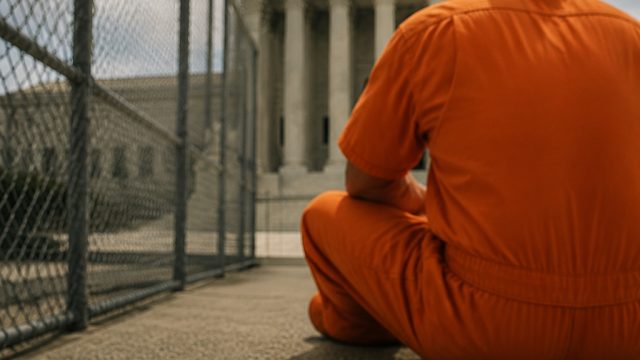
The recent ruling by the Supreme Court has stirred significant discussions about the balance between institutional authority and individual religious rights, particularly in the context of prisons. This case involved Damon Landor, a Rastafarian inmate whose religious practices were directly challenged when prison officials forcibly cut off his dreadlocks. This decision raises crucial questions about the extent of religious freedoms in correctional facilities and the protection of individual beliefs.
The Case Overview
Damon Landor, a practicing Rastafarian, argued that his religious beliefs required him to maintain his dreadlocks, a symbol of his faith. He presented evidence of the legal protections afforded to individuals under the Religious Land Use and Institutionalized Persons Act (RLUIPA), which is designed to safeguard religious practices within correctional institutions. Despite this, prison officials proceeded to shave his head, ignoring both his requests and the legal framework intended to protect him.
Legal Background
The RLUIPA was enacted to ensure that institutionalized persons are not denied the right to exercise their religious beliefs. The law requires that any substantial burden on religious exercise must be justified by a compelling governmental interest and must be the least restrictive means of furthering that interest. This legal protection is crucial for inmates, many of whom rely on their faith for spiritual support during incarceration.
Supreme Court's Ruling and Its Implications
The Supreme Court's decision effectively upheld the actions of the prison staff, allowing them to act without fear of legal repercussions regarding their treatment of Landor. This ruling has significant implications for inmates across the country, potentially setting a precedent that may limit the ability of incarcerated individuals to seek redress for violations of their religious freedoms. Furthermore, it raises concerns about the broader impact on religious expression within prison environments.
Potential Consequences for Religious Expression
- Limited Religious Rights: Inmates may find it increasingly difficult to assert their religious rights if they fear retaliation from prison authorities.
- Chilling Effect: Other inmates who might wish to assert their religious freedoms may be deterred by the fear of a similar outcome.
- Institutional Policies: Prisons may feel empowered to enforce stringent policies that could infringe upon the religious rights of inmates.
Public Reaction and Future Implications
The public and advocacy groups have voiced strong opinions in response to this ruling. Many view it as a serious setback for religious freedom rights within the prison system. Activists emphasize the need for a more robust legal framework that protects the rights of inmates while balancing security concerns within corrections facilities.
Possible Actions Moving Forward
In light of this ruling, various stakeholders may consider the following actions to advocate for the protection of religious rights in prisons:
- Legislative Advocacy: Push for stronger laws that clearly delineate the rights of inmates regarding religious expression.
- Legal Challenges: Support new legal challenges that can directly address this ruling and seek to overturn it through higher courts.
- Public Awareness Campaigns: Raise awareness about the importance of maintaining religious freedoms for all individuals, regardless of their incarceration status.
Conclusion
The Supreme Court's recent ruling concerning Damon Landor's case serves as a significant reminder of the complexities surrounding religious freedom within the correctional system. As this issue unfolds, it is essential for lawmakers, correctional institutions, and civil rights advocates to engage in discussions that uphold the tenets of religious liberty while ensuring institutional order. The implications of this decision continue to resonate, highlighting the need for ongoing vigilance in the protection of individual rights within the prison system.
