
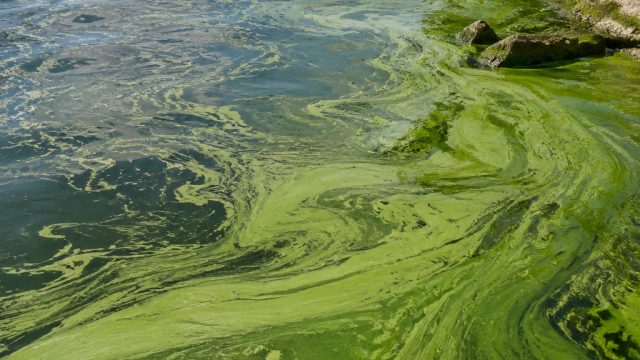
As climate change continues to shift environmental patterns, algal blooms have emerged as a critical issue, threatening the ecological balance of our waterways. With rising temperatures and increased nutrient pollution, these blooms are not just a local concern but a global crisis that needs immediate attention.
The Science Behind Algal Blooms
Algal blooms occur when nutrient-rich waters become conducive to rapid algae growth. These conditions are often exacerbated by agricultural runoff, wastewater discharge, and other pollutants. As algae proliferate, they can produce toxins harmful to marine life and humans alike.
What Causes Algal Blooms?
- Nutrient Pollution: Excess nitrogen and phosphorus from fertilizers and sewage can fuel algae growth.
- Climate Change: Warmer water temperatures and increased rainfall contribute to the frequency and intensity of blooms.
- Habitat Alteration: Changes in land use and water management can disrupt natural ecosystems, paving the way for blooms.
Consequences of Algal Blooms
The consequences of algal blooms extend far beyond unsightly green water. These phenomena can have devastating effects on local ecosystems, economies, and public health.
Impact on Aquatic Life
When algae die and decompose, oxygen levels in the water drop, leading to dead zones where aquatic life cannot survive. Fish, invertebrates, and other organisms are directly affected, disrupting the food chain.
Effects on Human Health
Some algal species produce toxins that can contaminate drinking water supplies and lead to serious health risks for humans, including respiratory issues and gastrointestinal problems. Communities relying on affected water bodies face significant health risks.
The Economic Toll
The economic impact of algal blooms is significant, affecting industries such as fishing, tourism, and recreation. The costs associated with cleanup efforts, healthcare for affected individuals, and loss of revenue from tourism can be staggering.
Case Studies
- Lake Erie: Once a thriving fishing ground, Lake Erie has frequently faced algal blooms that threaten both fish populations and local economies.
- Florida's Coast: The recent red tide events have devastated the local tourism industry, with reports of reduced visitors and dead marine life littering beaches.
Mitigation Strategies
Addressing the algal bloom crisis requires comprehensive strategies that target the root causes of nutrient pollution and promote healthier waterways.
Policy and Regulation
Implementing stronger regulations on agricultural runoff and improving wastewater treatment processes are essential. Policies should focus on reducing nutrient inputs into water systems.
Public Awareness and Education
Informing the public about the causes and effects of algal blooms is vital. Community engagement can lead to grassroots efforts to reduce pollution and protect local waterways.
Technological Innovations
Investment in new technologies, such as advanced filtration systems and bioreactors, can help capture runoff before it enters water bodies. Research into environmentally friendly agricultural practices can also mitigate the impact of farming on water quality.
Conclusion: A Call to Action
The algal bloom crisis is an urgent matter that demands immediate action. By understanding the science behind these occurrences and their far-reaching consequences, we can take steps to protect our waterways and ensure the health of our ecosystems. It is imperative for governments, communities, and individuals to come together to implement effective solutions and safeguard our water resources for future generations.
