
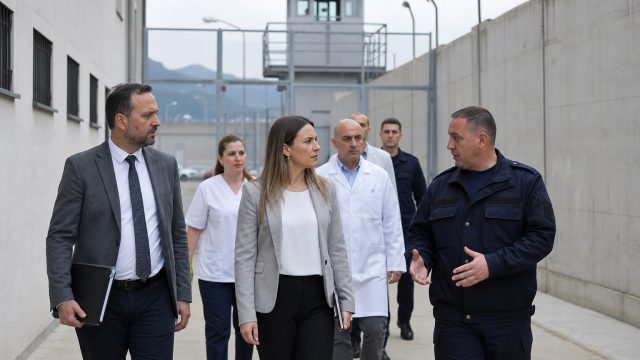
In a recent interview, Boban Utkovski, the director of the Shutka prison, addressed pressing concerns regarding the safety and health measures in Macedonian correctional facilities. With an increase in public discourse around prison conditions, especially after serious allegations emerged, Utkovski emphasized the importance of transparency and adherence to safety protocols.
Understanding Prison Safety Standards
Utkovski's statements come in response to claims made by Artan Grubi's attorney, who suggested that conditions in Macedonian prisons might be unsafe. This narrative has raised significant public concern, prompting the need for clarity on the operational standards in these facilities. Utkovski firmly stated, "We are in control and have established that security norms are at an acceptable level." His comments aim to reassure the public and stakeholders about the integrity of the prison system.
What Safety Measures Are in Place?
- Regular health assessments for inmates
- Enhanced surveillance systems
- Training for staff on emergency response procedures
- Implementation of mental health support programs
These measures are part of a broader initiative to improve living conditions within prisons, thereby reducing potential risks and enhancing the overall safety of inmates and staff alike.
The Health of Inmates: A Key Concern
Another focal point of the discussion is the health status of inmates. Utkovski mentioned Ljupcho Palevski's condition, stating that he is in good health and does not feel guilt for his actions. This statement sheds light on the psychological aspects of incarceration, which can often be overlooked. Ensuring that inmates receive adequate medical care, both physical and mental, is crucial for their rehabilitation and safe reintegration into society.
Importance of Mental Health Support
The incorporation of mental health support in correctional facilities is vital. It is not just about physical well-being; addressing the psychological needs of inmates can significantly impact their rehabilitation journey. Programs that focus on counseling and therapy can aid in reducing recidivism rates.
Recent Developments in the System
The situation surrounding former Deputy Prime Minister Grubi has stirred significant media attention. The public's interest in his legal status emphasizes the need for a transparent judicial process. Utkovski's assurance of safe incarceration practices is critical during this time. Additionally, with the father's of a minor, Katja, under video surveillance, it raises questions about privacy and ethical treatment within prisons.
Balancing Surveillance and Privacy
The use of video surveillance in correctional facilities is a double-edged sword. While it enhances security, it also poses ethical dilemmas regarding inmates' privacy. The challenge lies in implementing these technologies in a way that prioritizes safety without infringing on individual rights.
Conclusion: The Path Forward for Macedonian Prisons
As Macedonia navigates the complexities of its correctional system, the insights shared by Utkovski highlight the ongoing commitment to improving prison safety and health standards. The current emphasis on transparency and robust health protocols is essential for fostering public trust in the justice system. Moving forward, it is crucial for authorities to continuously evaluate and adapt their policies to ensure that the rights and well-being of all individuals within the prison system are upheld. With increasing scrutiny, the focus will also remain on the ethical implications of surveillance and the mental health of inmates, ensuring a comprehensive approach to corrections in Macedonia.
