
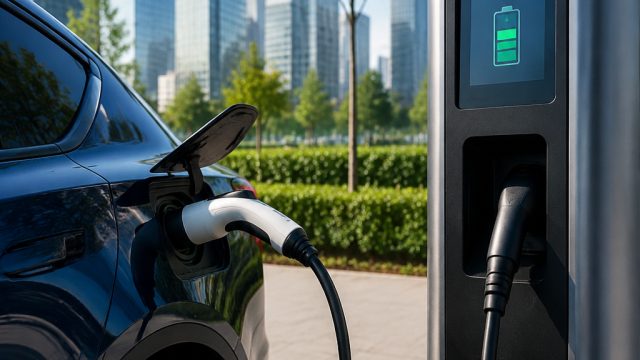
The electric vehicle (EV) market is expanding at an unprecedented rate, with more consumers and businesses recognizing the importance of sustainable transportation. As this trend accelerates, advancements in EV charging technology are reshaping the landscape of electric mobility. Understanding these developments is crucial, especially for those looking to invest in EV infrastructure or enhance their sustainable practices.
Rapid Expansion of Charging Networks
One of the most significant trends in EV charging technology is the rapid expansion of charging networks. Major cities and rural areas alike are witnessing an increase in charging stations, driven by government incentives and private investments.
Government Initiatives and Funding
Many governments around the world are providing substantial funding to expand EV infrastructure. In the U.S., initiatives like the Bipartisan Infrastructure Law allocate billions for the development of charging stations. This funding not only enhances accessibility but also supports the creation of a reliable and efficient charging network.
Private Sector Innovations
Leading corporations are also stepping up their efforts to improve EV charging solutions. Companies are investing in fast-charging technologies that can significantly reduce charging time, making EV ownership more convenient. For instance, advancements in ultra-fast charging can allow users to power up their vehicles in just a matter of minutes.
Wireless Charging: The Future of Convenience
Another exciting development in EV charging technology is the emergence of wireless charging systems. This method allows for charging without the need for physical connectors, making the process seamless and user-friendly.
How Wireless Charging Works
Wireless EV charging utilizes electromagnetic fields to transfer energy between two coils: one installed in the ground and the other in the vehicle. This technology not only enhances convenience but also promotes the adoption of EVs by reducing the barriers associated with traditional charging methods.
Real-World Applications
Several companies are already piloting wireless charging installations in urban areas, with plans for widespread implementation in the coming years. This development is particularly promising for fleets of electric vehicles, such as buses and delivery vans, which can charge while parked or even while in motion on certain routes.
Integration with Renewable Energy Sources
As the push for sustainability intensifies, integrating EV charging stations with renewable energy sources is becoming essential. Solar and wind energy can power charging stations, reducing reliance on fossil fuels and enhancing the environmental benefits of electric vehicles.
Benefits of Renewable Energy Integration
- Decreased carbon footprint
- Lower operating costs for charging stations
- Enhanced grid stability with smart charging solutions
Case Studies
In several regions, innovative projects have successfully integrated solar panels with charging stations, providing a sustainable power source that benefits both EV drivers and the local community. These projects showcase how renewable energy and EV charging can work hand in hand to create a greener future.
Challenges Ahead: Addressing Infrastructure Gaps
Despite these advancements, challenges remain in the EV charging landscape. One of the most pressing issues is the infrastructure gap in less populated areas. While urban centers are rapidly developing charging stations, rural regions often lack adequate access.
Strategies for Bridging the Gap
To address this disparity, stakeholders must collaborate to ensure that charging infrastructure is available to all. This may involve government incentives for private companies to invest in rural charging stations or the development of mobile charging units that can serve remote areas.
Community Engagement
Engaging local communities in the planning process is also crucial. By understanding the specific needs of rural areas, stakeholders can create tailored solutions that enhance accessibility and promote EV adoption.
Conclusion: Why Now is the Time to Get Involved
The evolution of EV charging technology is not just a trend; it represents a significant shift towards sustainable transportation. With government support, technological innovations, and community involvement, the future of EV charging looks promising. For businesses and individuals interested in renewable energy and electric vehicles, now is the time to invest and adapt to these exciting changes. At Ravesto, we are committed to providing cutting-edge EV charging solutions to help you stay ahead in this rapidly evolving market.
