
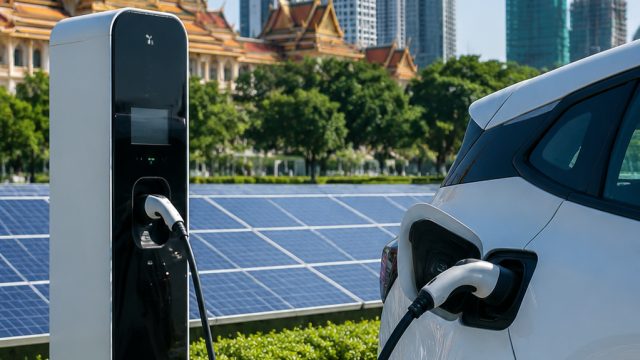
The Asian Development Bank (ADB) has taken a significant step in supporting Cambodia's transition to sustainable energy by approving a funding package of $63 million. This investment comes at a crucial time as the country aims to enhance its energy infrastructure and reduce its carbon footprint, ultimately fostering a cleaner and more efficient energy landscape.
The Need for Green Energy in Cambodia
As Cambodia continues to experience rapid economic growth, the surge in energy demand poses considerable challenges. Traditional energy sources, primarily fossil fuels, not only contribute to environmental degradation but also limit the country's potential for sustainable development. The urgent need for cleaner energy sources has prompted the government to prioritize renewable energy initiatives.
Addressing Energy Demand
- Rapid urbanization and industrialization are driving energy consumption.
- Fossil fuels are facing depletion, necessitating a shift to renewable sources.
- Renewable energy can stabilize energy prices and enhance energy security.
Impact of ADB's Investment
The ADB's investment is aimed at facilitating not just the deployment of green technologies but also the development of necessary infrastructure to support these initiatives. With this funding, Cambodia can bolster its renewable energy capacity, primarily focusing on solar and hydropower projects, which are central to its energy strategy.
Key Areas of Investment
- Solar power installations to harness the country's abundant sunlight.
- Hydropower projects to utilize existing water resources efficiently.
- Energy efficiency programs to optimize existing energy usage.
Why This Matters Now
As the world faces escalating climate challenges, Cambodia's commitment to green energy is more relevant than ever. The funding from ADB not only reinforces the country's sustainability goals but also aligns with global efforts to combat climate change. By investing in renewable resources now, Cambodia can pave the way for a more resilient economy that is less reliant on volatile fossil fuel markets.
Global Context and Local Impact
In the global context, countries are increasingly recognizing the importance of a sustainable energy transition. For Cambodia, this funding represents a significant leap towards fulfilling its environmental commitments while ensuring energy security for its citizens. Moreover, the investment is expected to create job opportunities in the renewable energy sector, stimulating local economies.
Conclusion
The ADB's $63 million funding for Cambodia marks a pivotal moment in the nation’s journey towards sustainable energy. As Cambodia enhances its commitment to renewable energy, the positive ramifications will extend far beyond environmental benefits. This initiative not only aims to secure energy independence but also to inspire a regional shift towards greener technologies.
For those interested in the potential of green energy in Southeast Asia, Cambodia's journey serves as a beacon of hope and a model for other nations. As the global focus shifts towards sustainability, the eyes of the world will undoubtedly be on Cambodia as it strives to lead in renewable energy innovation.
