
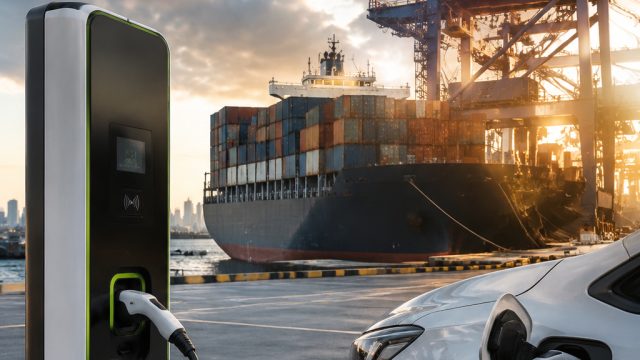
The Importance of EV Charging Infrastructure
With the increasing emphasis on sustainability, the demand for electric vehicles (EVs) has surged. As a result, the need for reliable EV charging infrastructure has become paramount. Manufacturers of EV charging equipment have a unique opportunity to participate in this growing market by exploring export possibilities.
Assessing the Global Demand for EV Charging Solutions
As countries aim to reduce their carbon footprints, many are investing heavily in EV charging networks. Understanding the global demand is essential for manufacturers looking to export their products. Factors such as government regulations, consumer behavior, and technological advancements can significantly influence market dynamics.
Establishing Competitive Advantages in Exports
To flourish in the competitive landscape of EV charging equipment exports, manufacturers need to establish distinct competitive advantages. This could involve innovations in product design, improving charging speed, or emphasizing sustainability. Having a unique value proposition can help in attracting global business clients.
Compliance with International Standards
Compliance with international quality and safety standards is a non-negotiable requirement for exporting EV charging equipment. Manufacturers must be familiar with the regulations specific to each target market to ensure their products can be sold legally. This includes adherence to electrical standards, environmental regulations, and certification processes.
Utilizing Trade Partnerships and Alliances
Forming strategic partnerships with local distributors and industry players in target markets can enhance a manufacturer’s ability to export effectively. These alliances can provide essential insights into local consumer preferences and regulatory requirements, paving the way for a smoother entry into the market.
Leveraging Digital Platforms for Export Sales
The digital age has transformed the way products are marketed and sold. Manufacturers should leverage online platforms, e-commerce sites, and social media to reach a wider audience. Digital marketing strategies tailored to specific markets can increase visibility and attract potential buyers.
Addressing Challenges in Exporting EV Charging Equipment
While the opportunities are vast, manufacturers must be prepared to encounter challenges when exporting EV charging equipment. Fluctuating tariffs, exchange rates, and shipping logistics can complicate the exporting process. Having contingency plans and working with experienced partners can mitigate these risks.
Future Trends in the EV Charging Equipment Market
As the global market for EVs expands, manufacturers can expect several trends to shape the landscape. The integration of smart technology in charging solutions, the rise of fast-charging stations, and increased collaboration between public and private sectors are just a few trends that will influence the future of the industry.
Conclusion: Embracing Export Opportunities
The export landscape for EV charging equipment presents a wealth of opportunities for manufacturers willing to adapt and innovate. By understanding market demands, establishing competitive advantages, ensuring compliance, and leveraging digital platforms, manufacturers can navigate this evolving industry successfully. The future of exporting EV charging equipment is bright, and those who seize the moment will reap the benefits of this growing market.
