
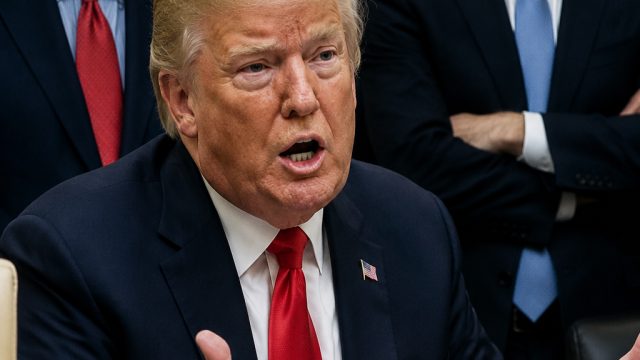
In the wake of former President Donald Trump's unprecedented Iran agreement, a palpable sense of unease has emerged among Republican lawmakers. The recent deal, which many believe compromises U.S. interests, has ignited a debate that could reshape the GOP's approach to foreign policy. As bipartisan criticism mounts, the implications for America’s international standing and legislative unity are significant.
Understanding the Fallout of Trump's Iran Agreement
The Iran deal, a product of extensive negotiations during Trump's presidency, has been met with skepticism by several prominent members of the Republican Party. Critics within the Hill argue that the concessions made to Iran undermine years of sanctions and diplomatic efforts aimed at curbing its nuclear ambitions.
Key Concerns Among Republicans
- Perceived Weakness: Many Republicans view the deal as a sign of weakness, fearing it may embolden Iran in its regional pursuits.
- Security Risks: National security experts warn that the agreement potentially opens pathways for Iran to develop nuclear weapons.
- Bipartisan Backlash: Lawmakers from both sides are voicing frustrations, indicating a rare moment of unity against the deal.
The Growing Dissent
While Trump has touted the agreement as a diplomatic victory, dissenting voices within his party are becoming louder. Senator Lindsey Graham and other influential figures have expressed concern that the deal lacks sufficient safeguards to protect U.S. interests.
Internal GOP Struggles
As Republicans grapple with their identity in the post-Trump era, this controversy only heightens the divisions within the party. Key factions are at odds over whether to support the former president's approach or to advocate for a more traditional Republican foreign policy. This discord could have lasting effects on future elections and policy decisions.
What This Means for U.S. Foreign Policy
The implications of this internal conflict extend beyond mere party politics. The U.S. foreign policy landscape is shifting, and a lack of consensus among lawmakers could lead to inconsistent and ineffective strategies when dealing with Iran and other geopolitical challenges.
Potential Consequences
- Strained Alliances: Allies may question the U.S.'s commitment to international agreements, impacting future negotiations.
- Increased Hostility: Iran may perceive the discontent within the U.S. as an opportunity to expand its influence.
- Legislative Gridlock: Congressional disagreements could lead to delays in addressing pressing national security issues.
Conclusion: The Path Forward for Republicans
As the debate over Trump's Iran deal unfolds, the Republican Party faces a critical juncture. Navigating the complexities of foreign policy while maintaining party cohesion will be essential in the months ahead. With increasing global instability, how Republicans choose to respond could define their political future and the effectiveness of U.S. foreign policy for years to come.
