
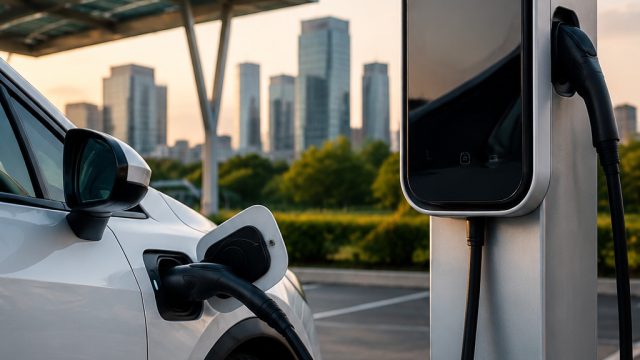
As electric vehicles (EVs) continue to gain traction globally, the need for efficient and accessible EV charging solutions rises to the forefront. With the rapid growth of the market, it’s crucial for consumers and businesses alike to stay informed about the latest trends in charging technology and infrastructure. This article will delve into the current landscape of EV charging solutions, emphasizing why understanding these developments is essential today.
Understanding the Current EV Charging Landscape
The shift towards sustainable energy sources has led to a significant uptick in electric vehicle adoption. With governments and organizations pushing for reduced carbon footprints, EVs are no longer just a niche market. As of 2023, projections indicate that nearly 30% of new vehicle sales in major markets will be electric by 2030. This surge necessitates an expanded and improved charging network, making the implementation of innovative technology more critical than ever.
Key Charging Technologies Shaping the Future
- Ultra-Fast Charging Stations: With the capability to charge vehicles in as little as 15 minutes, ultra-fast charging stations are becoming a game-changer, particularly for long-distance travel.
- Wireless Charging: Advancements in inductive charging technology offer the potential for more convenient charging experiences, reducing the need for physical connections.
- Smart Charging: Integrating IoT technology allows for real-time monitoring and optimization of charging processes, which can enhance user experiences and reduce energy costs.
Why Now is the Time to Adapt to New Charging Trends
In 2023, the conversation surrounding EV charging solutions has become more urgent as consumer demand rises. The current global push for sustainability is driving not just individual vehicle owners but also large corporations to reevaluate their fleets and charging infrastructure. This moment presents a significant opportunity for stakeholders to invest in reliable charging solutions.
Regulatory Support and Incentives
Many governments offer incentives for both consumers and businesses that invest in EV infrastructure. These incentives can significantly reduce initial setup costs, making it an appealing time to consider options like solar-powered charging stations or partnerships with local utilities for shared charging solutions. For instance, programs aimed at expanding charging networks often come with tax breaks, grants, and rebates, ensuring a more sustainable investment for businesses looking to embrace green technology.
The Importance of Location and Accessibility
Location plays a vital role in the success of EV charging solutions. Ensuring that charging stations are strategically placed in areas of high traffic—such as shopping centers, highways, and urban centers—can significantly influence usage rates. Accessibility is also paramount; potential users need assurance that they can find and utilize charging stations easily.
Adopting User-Centric Designs
To foster greater adoption of EVs, charging stations must cater to user needs. This includes:
- Intuitive interfaces that make the charging process seamless.
- Clear signage and information indicating the availability and operation of charging points.
- Mobile applications that help users locate nearby charging stations while providing real-time updates on availability.
Conclusion: The Road Ahead for EV Charging Solutions
As we move further into the decade, the importance of staying informed about the latest trends in EV charging solutions cannot be overstated. Electric vehicle adoption is poised to expand rapidly, and the corresponding charging infrastructure must keep pace. For consumers, businesses, and policymakers alike, understanding these advancements and the reasons behind them is vital for making informed decisions. Embracing these changes now will not only contribute to a greener future but will also position stakeholders advantageously in the evolving landscape of electric mobility.
