
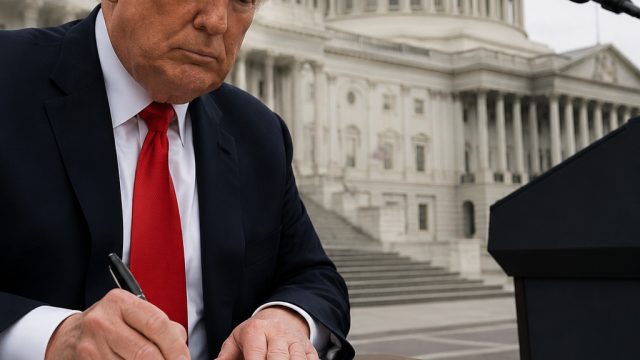
In an unexpected turn of events, President Donald Trump has decided to cancel the signing of a bipartisan bill intended to enhance housing affordability. This decision was announced just one hour before the scheduled ceremony at the Capitol, leaving many to wonder about the implications for voters and the housing market.
Abolishing the Bipartisan Agreement
The housing bill, which had garnered bipartisan support, was designed to tackle the increasing challenges Americans face in securing affordable housing. The abrupt cancellation has raised questions regarding the administration's commitment to addressing this pressing issue. One significant factor in this decision appears to be Trump's insistence on a voter ID provision, which has become a contentious topic in the current political climate.
Voter ID Demand: A Sticking Point
Trump's push for implementing a voter ID requirement has generated considerable controversy. Critics argue that such measures could suppress voter turnout, particularly among minority groups, while supporters claim it is essential for ensuring election integrity. The insistence on including this provision in the housing bill led to its unexpected cancellation, which surprised many stakeholders.
Impact on Housing Affordability
The cancellation of the signing ceremony raises significant concerns regarding the future of affordable housing in America. With housing prices continuing to soar, the need for effective legislation has never been more critical. Experts argue that bipartisan efforts are crucial in crafting solutions that meet the growing demands for housing stability.
What This Means for Americans
- Increased Housing Costs: Without robust legislation, housing prices are likely to continue their upward trajectory, making it harder for low- and middle-income families to secure homes.
- Political Gridlock: The inability to reach a consensus on essential issues like housing invites further political division, potentially delaying solutions.
- Future Legislation at Risk: The fallout from this cancellation may hinder future bipartisan efforts, complicating the legislative landscape as we move forward.
Public Reaction and Future Outlook
The public's reaction to Trump's cancellation of the housing bill has been mixed, with many expressing disappointment and frustration. Advocates for affordable housing are urging lawmakers to put aside partisan differences to address the housing crisis effectively. The urgency of this matter is underscored by the increasing number of Americans facing homelessness and housing insecurity.
Next Steps for Legislators
As lawmakers regroup, they must prioritize finding common ground on housing initiatives. Potential steps include:
- Reassessing the terms of the housing bill to address concerns about voter ID provisions.
- Engaging in public discussions to gauge voter sentiment about housing and related policies.
- Collaborating with housing advocates to identify immediate actions that can be taken to alleviate the crisis.
Conclusion: The Road Ahead
Trump's last-minute cancellation of the housing bill signing has thrown a wrench into efforts to improve housing affordability. With bipartisan cooperation essential to overcoming legislative hurdles, the focus now shifts to how both parties can come together to address the housing crisis head-on. As this situation unfolds, it is crucial for voters to remain informed and engaged in the discussions that will shape the future of housing policies in the country.
