
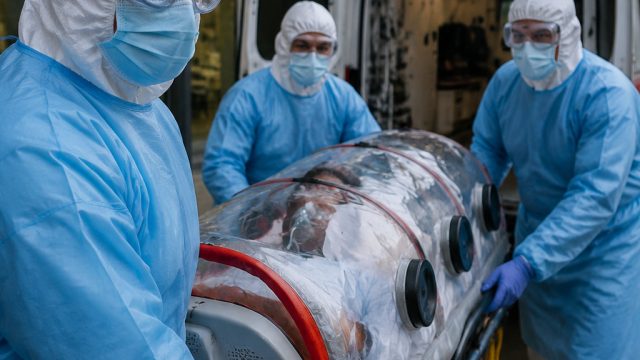
In a significant development that has captured international attention, France has reported its first case of Ebola as the virus surges across Africa. As of recent statistics, the total number of Ebola infections on the continent has exceeded 1,000, raising alarms among health officials globally.
The Situation in France
The French health ministry confirmed that the patient is a doctor who returned from the Democratic Republic of the Congo (DRC), where he had been working in an area heavily affected by the outbreak. This case marks a crucial turning point in Europe's handling of potential Ebola infections, highlighting the need for stringent health protocols and public awareness.
Immediate Response Measures
- Quarantine procedures have been initiated for the patient.
- Health authorities are tracing contacts to prevent further spread.
- Public health campaigns are being ramped up to educate citizens.
These steps are vital, as the swift response may not only protect public health in France but also mitigate the risk of a wider European outbreak.
Understanding Ebola: A Growing Concern
Ebola, a severe viral illness, has a mortality rate that can reach up to 90% in some outbreaks. This resurgence in the DRC and neighboring regions has put the spotlight on the virus's potential to spread beyond African borders, especially as global travel increases. Understanding the dynamics of such an outbreak is essential for maintaining overall public health safety.
How Ebola Spreads
The primary transmission of the Ebola virus occurs through direct contact with bodily fluids of an infected individual. This includes:
- Blood
- Saliva
- Urine
- Semen
The risk escalates during medical treatment or burial practices, underscoring the importance of proper health education in affected regions.
African Epidemic: Statistics and Implications
As the number of confirmed Ebola cases in Africa surpasses 1,000, the implications extend beyond health concerns. Economically, regions impacted by the outbreak face challenges in tourism, trade, and local businesses. Governments are racing against time to contain the virus to prevent it from spiraling out of control.
Key Statistics
- Over 1,000 confirmed Ebola cases reported in Africa.
- High mortality rates in previous outbreaks pose significant risks.
- Emergency measures are being implemented by various governments to control the spread.
The African Union and World Health Organization are coordinating efforts to provide resources and support to the most affected areas.
Global Health Implications
This outbreak serves as a reminder of how interconnected global health is today. The rapid movement of individuals can lead to diseases crossing borders at alarming rates. The case in France is a stark illustration of how quickly a localized outbreak can escalate into a global health crisis.
Importance of Preparedness
As health officials in Europe react to this case, the emphasis on preparedness and rapid response cannot be overstated. Countries with travel connections to affected regions must enhance their surveillance and readiness to respond to similar situations.
Conclusion: Staying Informed and Prepared
The recent announcement of France's first Ebola case amidst a surge in infections across Africa underscores the need for vigilant public health measures and a well-informed community. Maintaining awareness and educating individuals about the virus will be pivotal in preventing further spread. As this situation develops, it remains crucial for everyone to stay informed and support efforts aimed at managing this health crisis effectively.
