
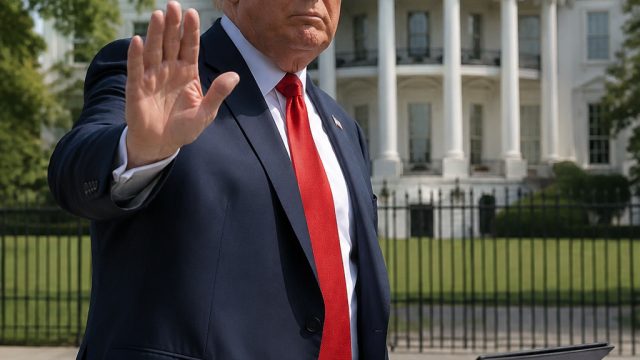
In a surprising turn of events, former President Donald Trump has abruptly canceled his plans to sign a significant bipartisan housing bill, a move that has sent shockwaves through the political and real estate communities. This sudden decision raises questions about the future direction of housing policy and its potential effects on the market just as stability seems within reach.
A Critical Moment for Housing Policy
The housing bill aimed to address the rising costs and accessibility issues in the real estate market, gaining support from both sides of the political aisle. Bipartisan agreements like this are essential in a time when home prices continue to escalate, leading to affordability crises in numerous markets across the country. With Trump’s cancellation, stakeholders are left pondering the implications.
What Was at Stake?
- Affordable Housing: The bill included provisions aimed at increasing the availability of affordable homes, particularly for low-income families.
- Interest Rates: With ongoing discussions about interest rates, the bill could have provided the market with much-needed stability.
- Tax Incentives: Proposed tax breaks for first-time home buyers were part of the negotiations, aimed at boosting home ownership rates.
Reactions from Key Players
Reactions to Trump’s decision have been immediate and varied. Industry leaders, politicians, and housing advocates have voiced their concerns over the cancellation.
Housing Market Experts Weigh In
Many housing market experts express worry that without this legislative action, housing prices may spiral further out of control. According to Sarah Johnson, a real estate analyst, "This cancellation sends a troubling signal to both buyers and builders that the government is not prioritizing housing stability. It could lead to increased uncertainty in an already volatile market."
Political Leaders Respond
Several political leaders have condemned the decision, emphasizing the need for bipartisan cooperation to tackle pressing issues. Senator Jane Smith remarked, "The housing crisis does not care about party lines. This was an opportunity for meaningful progress that we cannot afford to waste."
Potential Market Impacts
Trump’s abrupt withdrawal from the bill signing could have several long-term effects on the housing market:
- Increased Home Prices: Without the proposed interventions, home prices may continue to rise, making homeownership even more challenging for many Americans.
- Investor Hesitation: Investors might become wary of a market that lacks forward-thinking policies, potentially stalling investment in new housing projects.
- Political Uncertainty: Political instability could discourage confidence in the market, affecting all sectors from residential to commercial real estate.
Looking Forward
As the nation grapples with the consequences of this unexpected cancellation, industry watchers are left to consider the future. Will Congress be able to revive the bill or create new legislation to address these pressing housing issues? The answer may not only affect the housing market but also the broader economic landscape.
What Comes Next?
As discussions continue, it is vital for stakeholders to understand the importance of maintaining pressure for housing reforms. The public and industry leaders must advocate for a renewed focus on bipartisan solutions that address the increasing challenges faced by homebuyers and renters alike.
Conclusion
The abrupt cancellation of the bipartisan housing bill by Trump is more than a political maneuver; it is a pivotal moment that could redefine the trajectory of the housing market. As we await further developments, the call for comprehensive housing solutions remains urgent. Advocates and industry leaders must rally to ensure that affordable housing remains a priority on the national agenda.
