
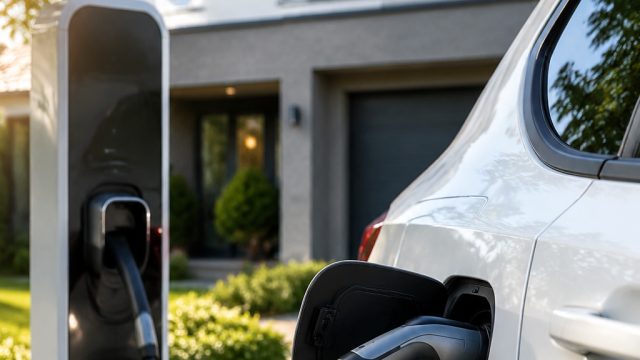
The automotive landscape is undergoing a transformative shift, with electric vehicles (EVs) leading the charge into a sustainable future. As we move deeper into 2023, the urgency to consider this transition has never been more pronounced. Significant advancements in technology, evolving consumer preferences, and mounting environmental concerns make this the ideal moment to embrace electric mobility.
The Environmental Imperative
One of the most compelling reasons to switch to electric vehicles is the pressing need to reduce greenhouse gas emissions and combat climate change. Traditional gasoline and diesel vehicles are major contributors to air pollution and global warming. In contrast, EVs produce zero tailpipe emissions, making them a cleaner choice for both urban and rural areas.
Impact on Carbon Footprint
- EVs contribute to lower overall emissions when charged using renewable energy sources.
- Switching to EVs can significantly decrease the carbon footprint of city dwellers, improving air quality.
- Government incentives and rebates encourage more consumers to adopt greener technologies.
Technological Advancements and Affordability
Technology in the EV sector is advancing at an unprecedented rate. Improved battery technologies have led to longer ranges and shorter charging times, addressing two of the biggest hurdles for potential EV buyers. The 2023 models showcase vehicles that can travel over 300 miles on a single charge, making them more practical for everyday use.
Cost of Ownership
If you are concerned about the initial investment, it's crucial to consider the long-term savings EVs offer:
- Lower fuel costs: Charging an EV is significantly cheaper than filling up a gas tank.
- Reduced maintenance expenses: Fewer moving parts mean less wear and tear, leading to lower repair costs.
- Tax credits and state incentives may offset the purchase price of your new EV.
Societal Trends Favoring EV Adoption
The cultural shift towards sustainability is evident in consumer behavior. As awareness of climate issues grows, more individuals are prioritizing eco-friendly choices, leading to a surge in EV popularity. Additionally, communities are increasingly investing in charging infrastructures, making it easier than ever to own an electric vehicle.
Market Trends
The electric vehicle market is booming, with major automakers pledging to expand their EV offerings. The following trends are shaping the market:
- Increased competition among manufacturers leads to better products and lower prices.
- Innovations in battery technology are set to improve efficiency and range.
- Popularity of EVs in mainstream auto sales is driving further development of associated technologies.
Global Push for EV Adoption
Many countries are setting ambitious targets to phase out combustion engine vehicles in favor of electric alternatives. For instance, initiatives like the Liga FIFA World Cup 2022 in Qatar included efforts to showcase sustainability through EVs. This global push not only highlights the trend but also demonstrates a collective commitment to a greener future.
Government Policies and Support
Many governments worldwide are providing support for EV adoption through various policies, including:
- Substantial tax credits for EV buyers.
- Subsidies for charging infrastructure development.
- Strict emissions regulations that incentivize the transition to electric mobility.
Conclusion: Embrace the Future of Transportation
In conclusion, the transition to electric vehicles is not just a trend; it's an essential move towards a sustainable future. The combination of environmental necessity, technological advancements, societal trends, and government support makes 2023 a pivotal year for EV adoption. If you're considering an EV, now is the time to make your move. Join the revolution towards cleaner, more efficient transportation and contribute to a healthier planet.
