
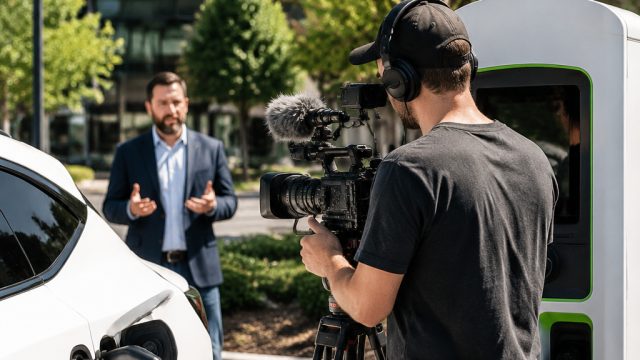
As the media landscape shifts in response to political and social changes, American documentary filmmaking finds itself at a crossroads. With the emergence of new technologies and evolving audience preferences, filmmakers are re-evaluating their strategies to thrive in this challenging but exciting environment.
The Impact of Political Climate on Documentaries
The past few years have witnessed a dramatic transformation in U.S. politics, profoundly affecting the documentary genre. Filmmakers are grappling with how to convey the complexities of our current climate, especially in the wake of the Trump administration, which has reshaped public discourse.
Balancing Truth and Narrative
Documentaries have long been viewed as a medium for truth-telling, but the current political climate poses unique challenges:
- Polarization: Audiences are more divided than ever, making it crucial for filmmakers to craft narratives that resonate across political spectra.
- Misinformation: The rise of fake news demands that documentaries not only inform but also combat false narratives actively.
- Engagement: Filmmakers must find creative ways to engage viewers, prompting them to think critically about the subjects presented.
Technological Advances Shaping the Future
The rise of digital platforms has revolutionized how documentaries are produced, distributed, and consumed. Filmmakers are harnessing these advancements to reach broader audiences:
Streaming Services and Accessibility
Streaming platforms have become pivotal for documentary exposure:
- Wider Reach: Films that may have struggled for theatrical distribution are finding new life on platforms like Netflix and Hulu.
- On-Demand Viewing: Audiences can choose when and how to engage with documentary content, increasing viewership potential.
- Data-Driven Insights: Filmmakers can analyze viewer data to understand preferences and tailor content accordingly.
Innovative Storytelling Techniques
As technology advances, so do storytelling methods:
- Interactive Documentaries: Filmmakers are experimenting with interactive formats that allow viewers to engage more deeply.
- Virtual Reality: Immersive experiences are being created to put viewers in the heart of the story, creating empathy and understanding.
- Collaborative Filmmaking: Filmmakers are working with communities to tell their stories, resulting in authentic narratives that resonate on a personal level.
Challenges Facing Documentary Filmmakers
While opportunities abound, filmmakers also encounter significant hurdles in this evolving landscape:
Funding and Resources
Securing funding remains a persistent challenge:
- Competitive Grants: Filmmakers must navigate a crowded field of applicants for limited grant opportunities.
- Investors’ Hesitancy: Economic uncertainty makes investors cautious, impacting the financial backing of new projects.
- Production Costs: As quality expectations rise, so do the costs associated with production, making budgeting a crucial aspect of the process.
Finding and Maintaining Audience Engagement
In a saturated media market, standing out is increasingly difficult:
- Captivating Content: Filmmakers must focus on developing unique angles and compelling narratives to draw in viewers.
- Social Media Strategy: Leveraging platforms like Instagram and TikTok for promotion and community building has become essential.
- Audience Feedback: Filmmakers are encouraged to seek viewer feedback to understand preferences and improve future projects.
Conclusion: Embracing Change in Documentary Filmmaking
As the landscape of documentary filmmaking in the U.S. evolves, it's clear that adaptability is key. Filmmakers who embrace new technologies, address current issues thoughtfully, and engage with their audiences are likely to succeed in this dynamic environment. The future of documentaries lies in the ability to marry storytelling with innovative techniques, creating content that not only informs but also inspires action.
