
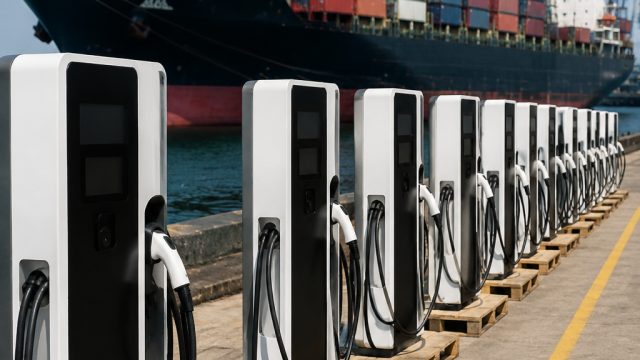
Understanding the EV Charging Equipment Market
The global shift towards electric vehicles (EVs) has created a burgeoning market for EV charging equipment. Countries around the world are investing heavily in infrastructure to support this transition, making it a prime opportunity for exporters, suppliers, and manufacturers in the industry.
The Rise of Electric Vehicles
As nations aim to reduce carbon emissions and promote sustainable transportation, the demand for electric vehicles continues to soar. According to recent reports, the global electric vehicle market is expected to grow exponentially over the next decade, thus increasing the need for robust charging solutions.
Opportunities in Exporting EV Charging Equipment
For manufacturers and suppliers, the rise in EV adoption presents unique opportunities in the export market. Exporting EV charging equipment can not only enhance business revenue but also position your company as a leader in a rapidly growing sector. Understanding the logistics of wholesale trade in this niche market is crucial for success.
Key Players and Their Roles
The EV charging equipment supply chain is supported by various key players, including manufacturers, distributors, and wholesalers. Each entity plays a pivotal role in ensuring that high-quality products reach businesses worldwide.
Manufacturers: Creating Innovative Products
As the backbone of the industry, manufacturers are responsible for producing charging stations that meet international standards while also catering to different consumer needs. This includes everything from fast chargers to home-based solutions, each designed with functionality and user experience in mind.
Distributors and Wholesalers: Bridging the Gap
Distributors and wholesalers act as intermediaries between manufacturers and retailers or end-users. They facilitate the logistics of moving products across borders and help ensure timely delivery, which is essential in meeting the rising demand for EV charging stations.
Shipping and Logistics for EV Equipment Exports
Successfully exporting EV charging equipment requires a thorough understanding of international shipping and logistics. This includes knowledge of customs regulations, shipping methods, and tariffs. Choosing the right shipping partner can greatly influence the efficiency of your export operations.
Choosing the Right Shipping Partner
A reliable shipping partner not only ensures that your products reach their destination safely and on time but also helps navigate the complexities involved in international trade. This is especially important for handling sophisticated technology like EV chargers.
Best Practices for B2B Exporting
Engaging in B2B trade as an exporter comes with its own set of best practices to ensure success. Here are key strategies to consider:
Market Research
Conducting thorough market research is essential in identifying potential markets for your EV charging equipment. Understanding the needs and preferences of different regions can help tailor your offerings effectively.
Regulatory Compliance
Each country has its own regulations regarding electrical equipment. Ensuring compliance with these regulations will not only expedite the export process but also establish your brand's credibility in the global market.
Conclusion: Embracing the Future of EV Charging
In conclusion, the export of EV charging equipment presents a unique and profitable opportunity for manufacturers and suppliers looking to expand their reach. By understanding the intricacies of B2B trade, logistics, and market demand, your business can position itself at the forefront of this growing industry. With a commitment to quality and strategic partnerships, the path ahead for EV charging equipment exports looks promising.
