
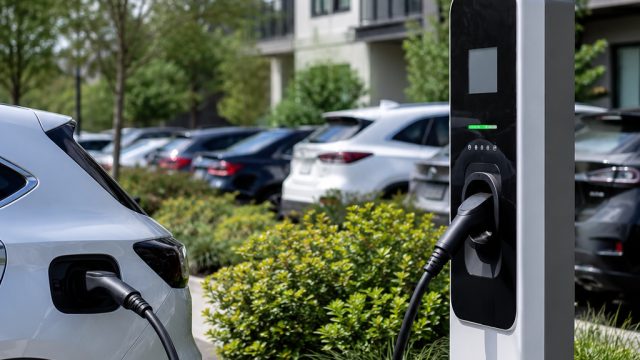
The rise of electric vehicles (EVs) is reshaping how we think about transportation and energy consumption. However, one significant challenge remains—charging infrastructure. As communities strive to support a growing number of electric cars, addressing charging bottlenecks is crucial. Recent innovations in transformer technology have emerged as a game-changing solution, enhancing the efficiency and accessibility of EV charging in urban environments.
Understanding the Charging Bottleneck Challenge
As electric vehicles gain traction, the demand for reliable and efficient charging stations has surged. Many urban areas face challenges in providing sufficient power to meet the needs of EV users, leading to significant charging bottlenecks. This situation can deter potential EV buyers and limit the overall adoption of electric mobility.
The Role of Transformers in EV Charging Infrastructure
Transformers play a pivotal role in the distribution of power to various electrical devices. In the context of EV charging, advanced transformers are designed to handle fluctuating demands from multiple charging stations simultaneously. This technology is essential for communities where the number of EVs exceeds the existing charging capacity.
- Efficiency: Modern transformers increase energy efficiency during the charging process, reducing energy waste and operational costs.
- Load Balancing: These transformers allow for effective load balancing, ensuring that all chargers receive adequate power without overloading the system.
- Scalability: As the number of EVs in a community grows, these transformers can be scaled up easily to meet increasing demand.
Recent Developments in Transformer Technology
Recent advancements in transformer technology have shown remarkable potential in overcoming existing charging infrastructure issues. Through innovative designs and materials, new transformers can offer quicker charging times and higher capacity, making them ideal for community deployment.
Smart Transformers and Their Impact
Smart transformers, equipped with monitoring and communication capabilities, are transforming how energy is distributed. These devices can provide real-time data on energy consumption and performance, enabling more efficient management of charging stations.
- Real-Time Monitoring: Operators can monitor the performance of charging stations in real-time, allowing for quick responses to any issues that arise.
- Predictive Maintenance: Data collected by smart transformers can help predict maintenance needs, reducing downtime and improving reliability.
- Integration with Renewable Energy: These transformers can seamlessly integrate with local renewable energy sources, further promoting a sustainable energy ecosystem.
Why This Matters Now
The need for enhanced EV charging solutions is more pressing than ever. With increasing government incentives for electric vehicle adoption and the urgency to reduce carbon emissions, communities must act quickly to develop the necessary infrastructure. The introduction of advanced transformer technology presents a timely solution to meet these challenges head-on.
The Future of EV Charging in Communities
As more cities invest in EV infrastructure, the role of innovative transformer technology cannot be overstated. By solving existing bottlenecks, these advancements will help pave the way for greater EV adoption and contribute to a cleaner, more sustainable future.
With these transformative solutions, communities can not only support current electric vehicle owners but also encourage more drivers to make the switch to electric, thus promoting a greener transportation landscape for future generations.
Conclusion
In conclusion, the evolution of transformer technology represents a critical advancement in addressing the pressing need for effective EV charging solutions in our communities. As we move towards a more electric future, embracing these innovations is essential for overcoming charging bottlenecks and ensuring that electric vehicles can thrive.
