
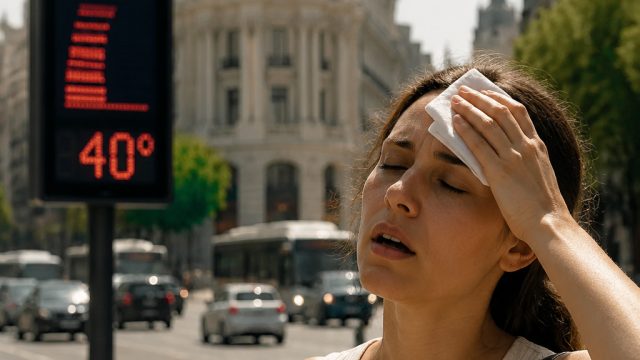
As Europe grapples with an intense heatwave this summer, record-breaking temperatures are forcing cities to take immediate action to safeguard their populations. This unprecedented climatic event not only disrupts daily life but also poses significant risks to health and safety. Here’s what you need to understand about the current heatwave situation in Europe.
The Severity of the Current Heatwave
This summer, Europe is experiencing some of the highest temperatures ever recorded, with numerous countries reporting highs exceeding 40 degrees Celsius (104 degrees Fahrenheit). The heatwave has intensified across the continent, leading to power shortages, particularly in France, where citizens are left sweltering without air conditioning.
Countries Most Affected
- France: Facing energy crises and increased health risks, with the government urging citizens to stay hydrated and indoors during peak hours.
- Spain: Record temperatures have led to wildfires, further stressing emergency services.
- Germany: Cities are implementing measures to ensure public safety, including water distribution and public cooling stations.
Impact on Daily Life and Health
The extreme heat is disrupting daily routines, affecting both work and leisure activities. Public events are being canceled, and many are opting to stay inside to avoid the heat. Health experts have warned that the high temperatures can lead to serious health issues, particularly for vulnerable populations such as the elderly and those with pre-existing health conditions.
Health Risks Associated with Extreme Heat
- Heat exhaustion and heat stroke, which can be life-threatening.
- Dehydration is becoming increasingly common, leading to complications.
- Respiratory issues due to increased pollution and allergens.
Government Responses and Public Safety Measures
In response to the heatwave, European governments are implementing urgent safety measures. Cities are enacting policies to help citizens cope with extreme heat, inspired by successful strategies seen in Paris and other metropolitan areas.
Key Safety Measures Being Implemented
- Establishment of cooling centers where people can find relief.
- Public awareness campaigns highlighting the importance of hydration and staying cool.
- Restricting outdoor events during the hottest parts of the day.
How to Stay Safe During the Heatwave
As temperatures continue to rise, it is crucial for individuals to take proactive steps to ensure their safety. Here are some practical tips to stay safe during this extreme weather:
Personal Safety Tips
- Stay indoors during peak heat hours (typically between 11 AM and 4 PM).
- Drink plenty of fluids, especially water, to stay hydrated.
- Wear lightweight, loose-fitting clothing to help regulate body temperature.
- Use fans or air conditioning to cool down living spaces.
Conclusion: The Urgent Need for Climate Action
This heatwave is a stark reminder of the increasing challenges posed by climate change. As Europe faces rising temperatures, there is an urgent need for a coordinated response to mitigate these effects and prepare for the future. Individuals, communities, and governments must work together to adapt to the changing climate and implement sustainable practices that will help protect public health and safety.
Stay informed and take action, because the time to address climate change is now.
