
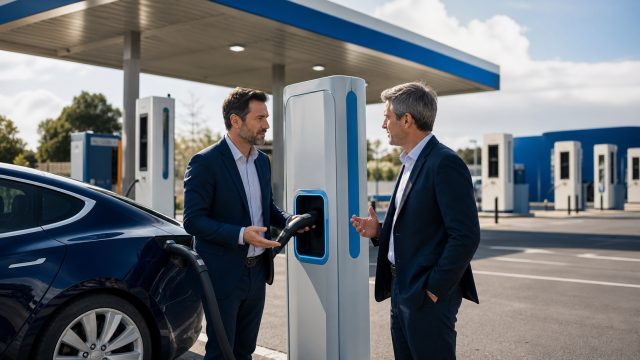
In a groundbreaking move for the electric vehicle (EV) industry, Tesla has announced a strategic partnership with YPF, Argentina's leading energy company, to significantly enhance the infrastructure for EV charging across key regions. This collaboration is not just a simple business agreement; it signals a crucial shift towards sustainable transportation solutions amid growing demand for electric vehicles worldwide. With EV adoption on the rise, the need for accessible and efficient charging stations has never been more critical.
The Significance of the Tesla-YPF Partnership
The partnership between Tesla and YPF comes at a pivotal moment as more consumers shift towards electric vehicles. This collaboration aims to establish a robust EV charging network that caters to the increasing number of electric car owners. By leveraging YPF’s extensive network of fuel stations, the duo plans to create convenient charging points, thus easing the transition for potential EV buyers.
Addressing Current Market Demands
The growth of the EV market has been exponential, driven by climate awareness and government incentives. As more companies and individuals invest in electric vehicles, the infrastructure to support them must keep pace. This partnership is an immediate response to that need.
- Increasing Adoption: With sales of electric vehicles soaring, more drivers require accessible charging solutions.
- Infrastructure Expansion: YPF's existing locations provide a strategic advantage for rapid deployment of charging stations.
- Consumer Convenience: Improved access to charging facilities encourages more consumers to consider EVs.
Strategic Locations and Future Plans
Initial plans indicate that the first phase of the EV charging network will focus on high-traffic areas and major highways. This approach ensures that long-distance travel becomes feasible for EV owners, who often worry about range anxiety—the fear of running out of battery before reaching a charging point.
Key Locations for Charging Stations
While specific sites are still under discussion, potential locations are expected to include:
- Urban centers with high population densities
- Popular tourist destinations to cater to visitors
- Highway rest stops for long-distance travelers
Environmental Impact and Future Sustainability
This partnership is not only about expanding infrastructure; it is also about promoting environmental sustainability. By providing widespread access to EV charging stations, Tesla and YPF aim to reduce reliance on fossil fuels and decrease carbon emissions. This aligns perfectly with global trends towards cleaner energy sources and sustainable transportation.
Benefits to the Environment
- Lower Emissions: An increased number of EVs leads to a significant reduction in air pollution.
- Renewable Energy Integration: Future plans include the integration of solar and wind energy into charging stations.
- Cleaner Urban Areas: More EVs contribute to healthier city environments.
What This Means for Consumers
Consumers stand to gain immensely from this collaboration. Not only will they enjoy easier access to charging stations, but they will also benefit from potentially lower charging costs as competition in the market increases. Tesla’s innovative technology coupled with YPF’s established infrastructure creates a win-win scenario for drivers.
Potential Cost Benefits
As the market for EV charging stations becomes more competitive, consumers can expect:
- Lower charging fees due to increased availability
- Incentives or discounts for frequent users
- Access to loyalty programs for regular customers
Conclusion: A Bright Future for Electric Vehicles
The Tesla and YPF partnership marks a significant step forward in the evolution of electric vehicle infrastructure. As they work together to create a comprehensive charging network, consumers, businesses, and the environment will reap the benefits. This collaboration not only supports the immediate needs of an expanding EV market but also sets the stage for a greener, more sustainable future. The next few years will be critical as we observe how this initiative unfolds and reshapes the landscape of electric vehicle use in Argentina and beyond.
