

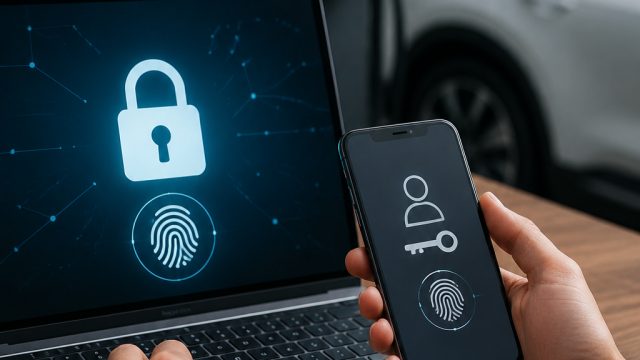
As we navigate an increasingly digital world, the need for robust security measures has never been greater. A new online platform has recently highlighted a concerning statistic: nearly 24% of the world's most frequently visited websites lack support for passkeys, one of the most secure methods for logging into apps and services. This revelation emphasizes the urgency for users to prioritize safety when engaging online. Understanding why passkeys are essential could protect your data and improve your overall online experience.
The Evolution of Online Security Methods
In recent years, the way we secure our online accounts has shifted dramatically. Traditional passwords have long been the standard for authentication, but they come with a host of vulnerabilities. Passkeys have emerged as a more reliable alternative, leveraging cryptographic technology to ensure a seamless and secure login experience.
What Are Passkeys?
Passkeys are a form of digital credential that eliminates the need to remember and manage complex passwords. Instead of typing in a password, users authenticate their identity through biometric data or physical security keys. This reduces the risk of phishing attacks and unauthorized access significantly.
The Importance of Passkeys Today
With the explosion of cyber threats and data breaches, the adoption of passkeys is crucial. Here’s why:
- Enhanced Security: Passkeys use advanced cryptography, making them nearly impossible to hack.
- User Convenience: They simplify the login process, eliminating the hassle of password resets and forgotten passwords.
- Reduced Phishing Risks: Since passkeys don’t require users to input sensitive information, the chance of falling victim to phishing scams diminishes.
Current Landscape of Website Security
The fact remains that a significant portion of popular websites continues to overlook the implementation of passkeys. This is alarming considering that many users still rely on platforms that do not prioritize cutting-edge security measures. As individuals, we must advocate for better practices and select services that take user security seriously.
Identifying Websites Without Passkeys
To avoid potential risks, it's essential to recognize which websites lack passkey support. Platforms that do not offer this feature could put your information at risk, especially if they prompt you to use weak passwords or security questions. As consumers, we have the power to influence change by choosing services that align with our security needs.
Steps to Enhance Your Online Security
Here are some proactive steps you can take to protect your online identity:
- Research Website Security: Before signing up for a service, check if they support passkeys and other security features.
- Enable Two-Factor Authentication: Even if a website supports passkeys, enable additional security measures like two-factor authentication (2FA) for added protection.
- Use Trusted Security Tools: Consider utilizing password managers or security software that can help enforce better security practices.
The Future of Online Security
As technology continues to evolve, so too will the methods we employ to secure our online identities. The rise of passkeys indicates a shift towards a more secure and user-friendly digital landscape. As consumers demand better security practices, websites must adapt to meet these expectations.
Why Now Is the Time to Act
The recent spotlight on websites lacking support for passkeys serves as a crucial reminder for all internet users. It is imperative that we remain vigilant and proactive in our online interactions. By understanding the benefits of passkeys and advocating for their use, we can contribute to a safer online ecosystem.
In conclusion, the importance of passkeys in securing our online identities cannot be overstated. As we move into a future that increasingly relies on digital interfaces, ensuring that the platforms we use prioritize robust security measures will be paramount. Stay informed and protect your data by demanding passkey support and considering your online safety as a top priority.
