

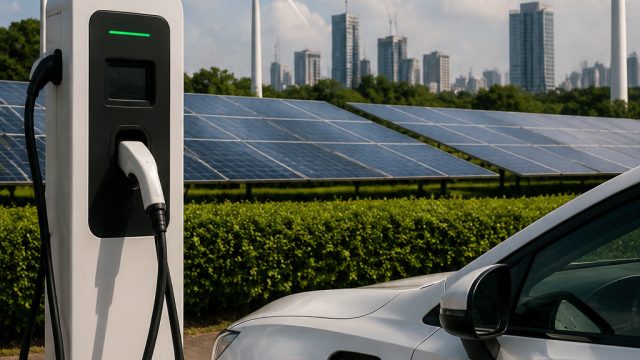
The landscape of global trade is in a state of flux, particularly as nations navigate the complex dynamics of technological advancement and renewable energy policies. Recent developments regarding China's trade strategies have raised important questions about their implications for India's burgeoning green energy sector. This article delves into the nuances of this relationship and highlights why it is more critical than ever for India to adapt and strategize.
The Current Trade Climate and Its Implications
As countries worldwide pivot towards greener technologies, India has emerged as a significant player in the renewable energy market. The government’s commitment to boosting solar energy production, electric vehicle (EV) infrastructure, and innovative technologies has made it a focal point for investors and manufacturers alike. However, the recent trade maneuvers by China could alter this trajectory.
China's Trade Strategies
China, with its robust manufacturing capabilities, has historically dominated the supply chains for many renewable technologies, including solar panels and EV components. Recent reports indicate that China is intensifying its trade tactics, including pricing strategies aimed at undercutting competitors, which may jeopardize India's green energy projects.
- Price Undercutting: By significantly reducing the prices of solar panels and EV batteries, Chinese manufacturers could create barriers for Indian firms trying to compete in this eco-friendly tech space.
- Supply Chain Dependencies: Many Indian companies rely on Chinese imports for crucial components, making them vulnerable to fluctuations in trade policies.
India's Response to Trade Pressure
In light of this aggressive trade posture from China, India must reevaluate its strategies not only to protect its existing green investments but also to foster local production. This could involve:
- Enhancing Local Manufacturing: Initiatives like 'Make in India' could be bolstered to encourage domestic production of green technologies.
- Diversifying Supply Chains: By reducing dependency on Chinese imports and seeking alternative suppliers from other countries, India can insulate itself from sudden market shifts.
- Investment in Research and Development: Bolstering R&D efforts within India to innovate and develop home-grown technologies will be crucial in building a self-sustaining green sector.
Long-Term Implications for India's Green Energy Sector
The trade dynamics with China not only challenge India's immediate market stability but also have broader implications for its long-term energy strategies. The following factors must be considered moving forward:
Market Positioning and Global Competitiveness
India's position in the global green energy market is at stake. If it can successfully navigate these trade challenges, it could emerge as a leader in renewable technologies. A proactive approach will likely involve:
- Strategic Alliances: Forming partnerships with other nations focused on renewable energy can bolster India's position.
- Export Potential: By focusing on local manufacturing, India can not only meet domestic demands but also cater to international markets, enhancing its export capabilities.
Environmental and Economic Benefits
Adopting a resilient approach to these trade challenges can also yield substantial environmental and economic benefits. A focus on local industry can lead to:
- Sustainable Growth: Prioritizing green technologies ensures that economic growth comes with a lower environmental footprint.
- Job Creation: Expanding domestic manufacturing in the green sector can create numerous jobs, contributing to economic resilience.
Conclusion: A Call to Action for India
The ongoing trade dynamics with China present both challenges and opportunities for India's green energy sector. As the world inches closer to a sustainable future, it is essential for India to adapt and refine its strategies. By fostering local manufacturing, diversifying supply chains, and investing in R&D, India can not only protect its interests but also pave the way for a sustainable and competitive green energy market. With the right strategies in place, India can transform these challenges into a springboard for innovation and growth.
