

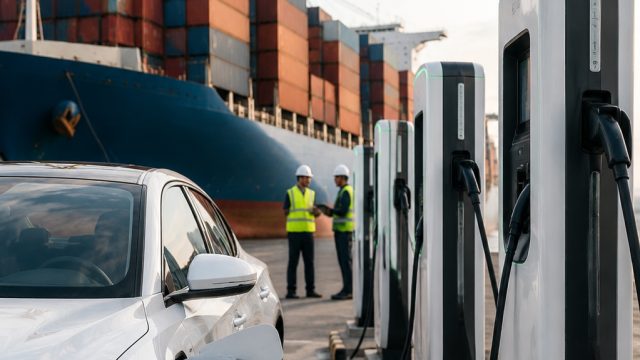
As we witness a surge in electric vehicle adoption, the demand for EV charging equipment has seen an unprecedented boom. This June, industry experts are keeping a close eye on various trends that could shape the future of EV infrastructure and export markets. At Ravesto, we aim to keep you informed about these pivotal changes that matter now more than ever.
The Growing Need for Efficient Charging Solutions
With the global push towards sustainable transport, the demand for efficient EV charging stations is on the rise. Governments worldwide are implementing stringent regulations to promote electric vehicles, which in turn creates a higher need for effective charging solutions. This trend is not just limited to electric vehicles but is extending to hybrid models as well.
Government Incentives Fueling Growth
Countries are unveiling various incentives to encourage consumers and businesses to adopt electric vehicles. This includes tax rebates, subsidies for charging station installations, and grants for research and development in EV technology. As a result, manufacturers and exporters of EV charging equipment are experiencing substantial growth opportunities.
- Increased funding for research in charging technology
- Tax credits for consumers purchasing electric vehicles
- Partnerships between government and private sector to expand charging infrastructure
Technological Innovations Driving Change
As the market grows, so does the technological landscape. Innovations in charging technology, such as faster charging times and smart charging solutions, are revolutionizing how consumers interact with EV charging stations. These advancements not only improve user experience but also optimize energy consumption.
Smart Charging Solutions
Smart charging technology allows users to manage their charging sessions via mobile apps, which can track energy consumption and costs. These solutions cater to the needs of modern consumers, making EV ownership more attractive.
Wireless Charging Technologies
Another exciting development is the emergence of wireless charging technologies. This innovation could eliminate the need for cumbersome cables and connectors, simplifying the charging process significantly. Companies at the forefront of this technology are likely to lead the market in the coming years.
Global Market Insights and Export Opportunities
As countries focus on enhancing their EV infrastructure, export opportunities for EV charging manufacturers are increasing. Markets in Europe, North America, and Asia are particularly ripe for exploration. Countries like the Netherlands are leading the charge with extensive charging networks, while others are in various stages of development.
Export Strategies for Manufacturers
For manufacturers looking to export their EV charging equipment, it is crucial to understand the specific regulations and requirements of target markets. This includes compliance with safety standards and technological specifications mandated by different countries.
- Research local regulations before entering new markets
- Adapt products to meet regional standards
- Network with local businesses to understand consumer needs
Why This Matters Now
The transition towards electric vehicles is not a distant future; it is happening now. As consumer interest surges, the need for accessible and efficient EV charging solutions has never been greater. Staying informed about the latest trends in EV charging equipment is essential for manufacturers, exporters, and consumers alike.
At Ravesto, we strive to provide the latest insights and updates in the EV charging sector. By understanding these trends and innovations, stakeholders can better navigate the evolving market landscape, ensuring they are well-prepared to meet the growing demand for EV charging solutions.
Conclusion
In conclusion, the current month is pivotal for the EV charging equipment export market. With government incentives, technological advancements, and expanding global markets, the opportunities are limitless. By leveraging this information, manufacturers and exporters can capitalize on the growing demand for EV charging solutions and contribute to a sustainable future.
