

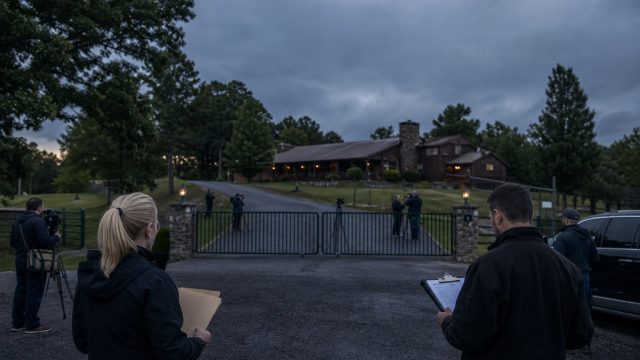
In a devastating turn of events, Camp Mystic, a longstanding establishment in Texas, has filed for bankruptcy nearly a year after a catastrophic flood led to the loss of 28 lives. This tragic incident not only shocked the local community but also raised serious questions about safety protocols at summer camps nationwide. The recent bankruptcy filing serves as a stark reminder of the ongoing impact of this disaster and the legal ramifications that ensued.
The Events That Led to the Bankruptcy Filing
The flooding incident at Camp Mystic occurred during a particularly severe weather event that caught many off guard. As the waters rose, campers and staff were faced with life-threatening conditions. In the aftermath, investigations revealed potential lapses in safety measures and emergency preparedness. With families seeking justice and answers, numerous lawsuits have emerged, placing immense financial strain on the camp.
Legal Fallout and Financial Strain
The legal battles ensuing from the flood have not only sought compensation for the families affected but have also examined the camp's operational practices. As these lawsuits progressed, Camp Mystic found itself burdened with mounting legal fees and the costs associated with safeguarding its future. Consequently, the decision to file for bankruptcy was seen as a necessary step to restructure its finances and address ongoing liabilities.
Community Reaction and Support
In the wake of the tragedy, the local community has rallied to support the affected families and honor the memory of those lost. Fundraising initiatives and memorial events have taken place, emphasizing the need for improved safety at camps. The camp's bankruptcy has sparked conversations about the responsibilities of recreational establishments and their obligation to prioritize camper safety.
What Bankruptcy Means for Camp Mystic
Filing for bankruptcy is a complex process that can offer a path toward recovery. For Camp Mystic, this could mean a reevaluation of its business practices and safety protocols. While the camp strives to emerge from this crisis, its future remains uncertain, and it is crucial for stakeholders to remain informed about the developments.
Potential for Reopening and Changes Ahead
- Revised Safety Protocols: Camp Mystic may implement stricter safety measures to ensure the well-being of future campers.
- Community Engagement: By involving local stakeholders, the camp can rebuild trust and demonstrate its commitment to safety.
- Legal Compliance: Ensuring that all operations meet legal standards will be vital for the camp's reopening plans.
The Importance of Safety in Recreational Spaces
The tragedy at Camp Mystic has highlighted an essential aspect of recreational activities: safety. Parents and guardians must be vigilant when choosing camps for their children. The industry must collectively prioritize creating safer environments to prevent future tragedies.
Guidelines for Parents When Choosing Camps
- Research Camp Safety Records: Parents should inquire about the camp's history, including any safety incidents.
- Ask About Emergency Protocols: Understanding how the camp responds to emergencies can provide peace of mind.
- Evaluate Staff Training: Ensure that staff members are trained in emergency response and first aid.
Conclusion
As Camp Mystic navigates through its bankruptcy proceedings, the focus remains on the importance of safety in recreational environments. The tragic loss of life has sent ripples through the community and beyond, prompting essential discussions about how camps operate and the responsibility they carry. Only time will tell how Camp Mystic will rebuild, but this situation serves as a critical learning opportunity for camps everywhere. Moving forward, proactive measures and transparency will be key in restoring trust and ensuring the safety of future generations of campers.
