

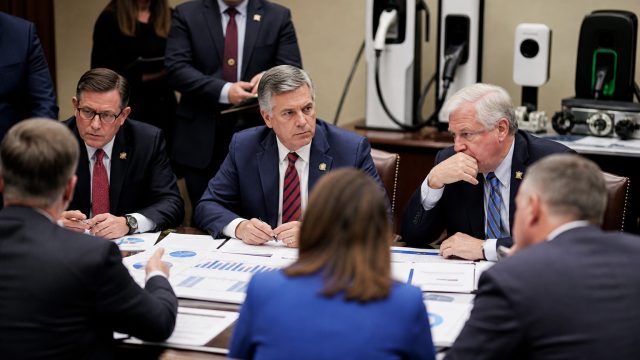
As the clock ticks down on crucial legislative deadlines, the GOP has gathered in a series of urgent meetings to finalize their strategy for the upcoming budget reconciliation bill. This initiative, referred to as Reconciliation 3.0, is drawing significant attention due to its potential implications on government spending and partisan priorities. With their objectives on the table, the stakes have never been higher for House Republicans.
Context of the Reconciliation Meeting
Speaker of the House Mike Johnson recently convened the House Budget Committee for a closed-door session aimed at refining their approach to key provisions in the budget. This meeting comes at a pivotal moment, as Republicans are racing against a looming deadline to pass essential reforms. The GOP's agenda includes eliminating wasteful spending, a prominent focus in their economic strategy, and instituting reforms that could reshape fiscal responsibility in government.
Key Objectives of the Reconciliation 3.0
- Defunding Planned Parenthood: One of the GOP's long-standing goals, this initiative aims to cut funding to organizations that support abortion services.
- Fraud Prevention: A critical concern for Republicans is the elimination of fraudulent activities within government programs, with particular focus on welfare services.
- Saving America Act: Proposed legislation that seeks to overhaul existing government spending guidelines and promote fiscal responsibility.
Why This Matters Now
The urgency of the GOP's efforts cannot be overstated. With economic concerns such as inflation and government debt at the forefront of public debate, the party is under pressure to deliver concrete results that resonate with their base and the broader electorate. The GOP believes that by addressing these issues head-on, they can regain voter confidence and strengthen their position ahead of upcoming elections.
Public Sentiment and Political Implications
Polling data indicates that voters are increasingly concerned about government waste and the efficacy of public spending. In this climate, the GOP's focus on accountability and reform could be a decisive factor in swaying undecided voters. As these discussions unfold behind closed doors, the potential ramifications of the party's decisions will directly influence public perception and electoral outcomes.
The Road Ahead
Looking forward, the path to passing Reconciliation 3.0 will not be without challenges. Internal divisions within the GOP could complicate consensus on key issues. Moreover, the party must navigate the complexities of bipartisan negotiations, particularly given the tight margins in Congress. Successful passage of their budgetary goals will require strategic alliances and a unified front.
Potential Obstacles
- Resistance from Moderates: Some Republican members may push back against more extreme measures, seeking compromise with Democrats.
- Democratic Opposition: The likelihood of united Democratic opposition means that the GOP will need to be strategic in garnering support for their proposals.
- Public Backlash: Any perceived overreach could lead to voter dissatisfaction, impacting future elections.
Conclusion
The GOP's recent closed-door meetings mark a critical phase in their legislative strategy as they work towards budget reconciliation. With significant stakes on the table and a limited timeline, the decisions made during these sessions will not only shape the immediate fiscal landscape but also set the tone for future legislative endeavors. As Republicans aim to push their agenda through, the implications for government spending and accountability will be closely scrutinized by both supporters and critics alike.
