

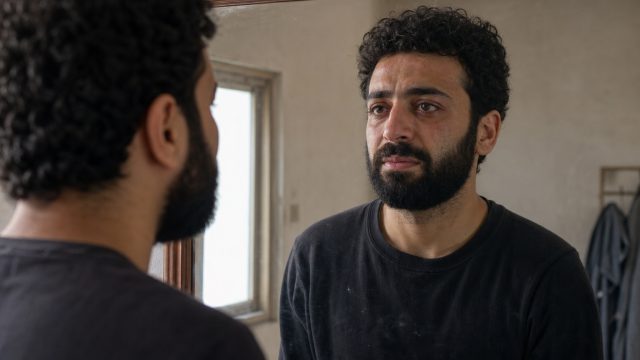
In a significant turn of events, Palestinian journalist Mohamed Arab, who has been detained for two years, was finally granted the ability to see his own reflection. This development comes after a legal appeal led by his lawyer, Khaled Mahajneh, who fought for Arab's basic rights while in custody. The case raises important discussions about human rights and the treatment of journalists in occupied territories.
Legal Battle for Basic Rights
For two long years, Mohamed Arab was deprived of seeing his own face, a fundamental aspect of personal identity. His attorney, Khaled Mahajneh, filed a petition demanding that the Israeli prison service allow Arab some degree of agency over his experience in confinement. This recent ruling is not just a small victory for Arab; it signifies a larger struggle for the rights of detained journalists.
The Importance of Seeing Oneself
The act of seeing one’s reflection is more than superficial; it is deeply tied to personal identity and psychological well-being. In prison, where individuals often feel isolated and dehumanized, such basic rights can make a significant difference. According to psychological experts, denying someone the ability to see their own face can lead to detrimental effects on mental health. This recent ruling begs the question: what other rights are being overlooked in similar circumstances?
The Context of Detention
Mohamed Arab's situation is emblematic of broader issues within the Israeli prison system, particularly regarding the treatment of Palestinian detainees. Reports indicate that many individuals face similar conditions of deprivation and mistreatment. This is not merely an isolated incident; it represents a systemic pattern that has drawn international attention and criticism.
Systemic Issues in Detention Facilities
- Physical Deprivation: Many detainees report inadequate living conditions, including lack of basic amenities and access to healthcare.
- Isolation: Extended periods of solitary confinement can have lasting effects on mental health.
- Limited Access to Legal Representation: Many detainees struggle to get proper legal counsel, which complicates their ability to advocate for their rights.
International Reactions and Human Rights Advocacy
The ruling allowing Arab to see his face has sparked reactions both within Palestine and internationally. Human rights organizations have taken notice of this case, advocating for better treatment of journalists and other detainees. The freedom of expression and the right to fair treatment are essential components of democratic societies, and stories like that of Arab highlight the urgent need for reform.
Calls for Reform
Advocacy groups are using this moment to call for systemic changes within the Israeli prison system. They argue for:
- Transparency: Increased oversight of prison conditions to ensure humane treatment of all detainees.
- Legal Reform: Better access to legal resources for detainees to ensure their rights are upheld.
- Public Awareness: Raising awareness in the international community about the conditions faced by Palestinian prisoners.
Conclusion: A Small Victory in a Larger Struggle
While the ability to see his reflection is a small victory for Mohamed Arab, it symbolizes a much larger fight for the rights of detainees everywhere. As legal battles continue and awareness grows, the hope remains that changes will be made to ensure fair treatment for all prisoners, especially those who risk their lives to report the truth. The story of Mohamed Arab may seem like one among many, but in the fragile landscape of human rights, every small victory counts.
