

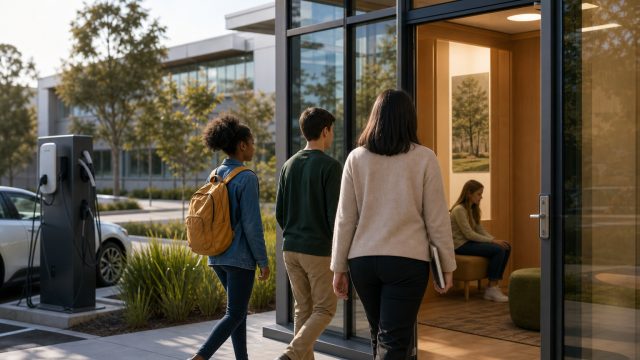
In modern education, where student well-being and effective learning environments are paramount, the concept of reflection rooms is gaining traction. These designated spaces are not just a trend; they represent a critical shift towards addressing behavioral issues and promoting emotional intelligence among students. As schools navigate the complexities of student management, understanding the value of these rooms is vital now more than ever.
What Are Reflection Rooms?
Reflection rooms are specially designed areas within educational institutions where students can take a moment to evaluate their behavior, emotions, and decisions. Unlike traditional disciplinary measures, these spaces provide a calm and supportive environment that encourages self-assessment and personal growth.
Key Features of Reflection Rooms
- Calm Environment: The rooms are often equipped with comfortable seating, soft lighting, and minimal distractions to facilitate introspection.
- Guided Activities: Many reflection rooms include resources such as journals, mindfulness exercises, and behavioral prompts to guide students through their reflection process.
- Access to Support: Trained staff may be available to assist students, providing a channel for discussions that promote emotional literacy.
Why Reflection Rooms Matter Now
The increasing focus on mental health in educational settings highlights the need for effective strategies that address student behavior. The rise of social pressures, academic expectations, and emotional distress among students has made the implementation of reflection rooms a timely solution.
Addressing Behavioral Issues
Incorporating reflection rooms into the school environment can significantly reduce instances of disruptive behavior. When students are given a space to pause and reflect on their actions, they are more likely to understand the consequences of their behavior and feel motivated to change.
Promoting Emotional Intelligence
Emotional intelligence is crucial for students as they navigate their academic and social lives. Reflection rooms serve as a platform for developing this skill, allowing students to:
- Identify and articulate their feelings
- Recognize the impact of their behavior on others
- Develop coping strategies for stress and anxiety
Implementation Strategies for Schools
For educational institutions considering the addition of reflection rooms, several key strategies can enhance their effectiveness:
1. Involve Stakeholders
Engaging teachers, parents, and students in the planning process ensures that the reflection room meets the needs of the school community. Feedback from these groups can lead to a more tailored and effective space.
2. Train Staff Appropriately
Staff members who oversee the reflection rooms should receive training on emotional support and conflict resolution. This preparation enables them to guide students effectively through their reflective practices.
3. Monitor and Evaluate Effectiveness
Setting clear objectives and regularly assessing the impact of reflection rooms on student behavior and emotional well-being is essential. Schools should collect data to measure improvements and make necessary adjustments.
Conclusion: A Step Towards a Better Learning Environment
Reflection rooms represent a progressive approach to managing student behavior and promoting emotional health in schools. In an era where mental well-being is increasingly recognized as a cornerstone of effective education, the implementation of these spaces can foster a more compassionate and understanding school culture. By prioritizing reflection and personal growth, educators can empower students not just academically, but also as emotionally intelligent individuals prepared to face the challenges of the world.
