

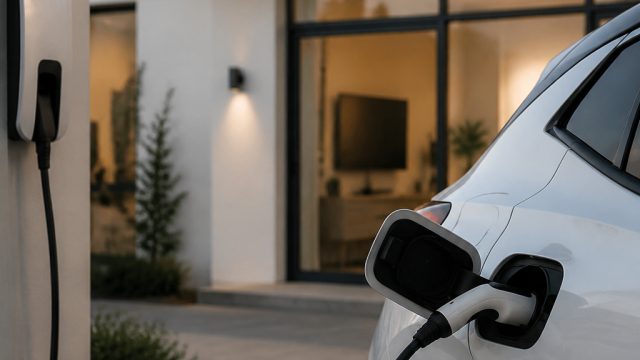
In a groundbreaking development in the electric vehicle (EV) sector, Nissan has recently teamed up with Valeo to revolutionize bidirectional charging technology. As the demand for electric vehicles continues to surge, this partnership is timely, offering innovative solutions that empower users and reshape energy consumption dynamics.
The Importance of Bidirectional Charging
As electric vehicles become increasingly popular, the need for efficient charging solutions is paramount. Bidirectional charging technology allows EVs to not only draw energy from the grid but also return it, acting as a mobile energy storage system. This capability opens new avenues for optimizing energy use, particularly in households equipped with renewable energy sources.
Supporting Renewable Energy Integration
The integration of renewable energy sources, like solar and wind, is essential for sustainable development. Bidirectional charging stations facilitate this by enabling EVs to store excess energy generated during peak production times. Users can then deploy this stored energy during peak demand, thus minimizing grid reliance.
- Enhances energy efficiency
- Supports energy independence
- Reduces overall energy costs
- Encourages the use of renewable energy sources
Consumer Benefits and Market Impact
Consumers stand to gain significantly from Nissan and Valeo's collaboration. With bidirectional charging, EV owners can potentially earn revenue by selling back stored energy to the grid. Additionally, this technology enables better management of energy consumption, which can lead to lower electricity bills.
This innovative approach not only benefits individual users but is also a catalyst for broader market change. As more consumers adopt EVs with this technology, the demand for smart grid solutions and advanced infrastructure will grow, prompting further investments in energy innovation.
What This Means for the Future of Electric Vehicles
Nissan and Valeo's initiative signifies a pivotal shift in the EV landscape. By prioritizing bidirectional technology, they are setting a precedent for how electric vehicles can contribute to energy management systems. This strategic move aligns with global trends focusing on sustainability and smart energy solutions.
Implications for EV Manufacturers
The collaboration between Nissan and Valeo may influence other automotive manufacturers to explore bidirectional charging as a competitive advantage. As the market trends toward sustainability, manufacturers that adopt similar technologies could gain traction in a crowded marketplace.
Challenges and Considerations
Despite the promising outlook, Nissan and Valeo's venture faces challenges. The development of a widespread infrastructure to support bidirectional charging is essential. Moreover, educating consumers about the benefits and functionalities of this technology will be crucial for adoption.
Infrastructure Development Needs
The successful implementation of bidirectional charging stations requires collaboration with utility companies and government entities to establish the necessary infrastructure. This includes upgrading existing charging stations and integrating smart grid technologies.
Consumer Education and Engagement
For widespread adoption, consumers must understand how bidirectional charging works and its potential benefits. Marketing efforts should focus on informing the public about energy savings, cost benefits, and the environmental advantages of using EVs as mobile energy hubs.
Conclusion: A Bright Future for Bidirectional Charging
The partnership between Nissan and Valeo marks a significant step forward in the evolution of electric vehicles. By embracing bidirectional charging technology, they are not only enhancing the functionality of EVs but also contributing to a sustainable future. As the automotive industry continues to innovate, the implications of this technology could lead to more energy-efficient solutions for all.
