
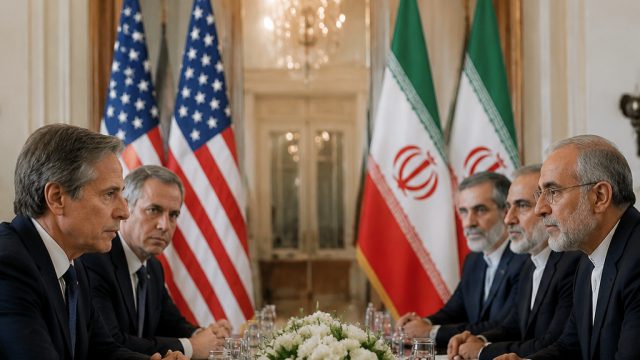
In recent weeks, the geopolitical stage has been set with the announcement of a renewed truce between the United States and Iran. This temporary ceasefire has sparked discussions and raised hopes for a potential shift in the ever-turbulent landscape of the Middle East. As the world watches, it's essential to unpack the significance of this development and what it might mean for the region and global stability.
The Context of the US-Iran Truce
The relationship between the US and Iran has been fraught with tension, marked by a series of sanctions, military posturing, and conflicts. The announcement of a 60-day truce raises several critical questions:
- What motivated this temporary pause in hostilities?
- Can a truce lead to more substantial negotiations or peace agreements?
- What are the implications for neighboring countries?
Motivations Behind the Truce
Several factors may have contributed to the current truce initiative:
- Domestic Pressures: Both the US and Iranian governments face significant domestic challenges. The US is grappling with economic issues and political divisions, while Iran is dealing with sanctions that have crippled its economy.
- Global Political Climate: A growing emphasis on diplomacy over military action is shifting the narrative in international relations, especially following the recent escalation in conflict in Gaza and Lebanon.
- Public Sentiment: There is a rising demand from both American and Iranian citizens for peace and stability in a region that has seen too much suffering.
The Potential Outcomes of the Truce
While a truce can reduce immediate casualties, the broader implications of this diplomatic effort are what truly matter. Here’s a closer look at the potential outcomes:
Short-Term Benefits
A reduction in violence can lead to:
- Decreased civilian casualties: Lives that might have been lost could now be spared, paving the way for humanitarian efforts.
- Improved humanitarian access: Organizations may find it easier to deliver aid to those in need, especially in conflict zones.
- Increased dialogue opportunities: A pause can foster an environment conducive to discussions, potentially leading to lasting agreements.
Long-Term Implications
Should this truce evolve into a more stable peace, the long-term benefits might include:
- Improved US-Iran relations: A foundation for future negotiations may lead to the easing of sanctions and economic cooperation.
- Regional stability: Neighboring countries may experience reduced tensions, which can help in addressing other pressing issues in the region.
- Global implications: A successful diplomatic resolution could serve as a model for resolving other international conflicts.
The Role of Global Powers
The interplay of global powers significantly influences the outcomes of such diplomatic efforts. Major stakeholders, including Russia and China, may view the truce differently, often based on their own geopolitical interests.
Influence of Russia and China
Both countries have historically supported Iran through various means, and their responses to the US-Iran truce could shape future interactions:
- Military Support: Increased military collaboration with Iran could escalate tensions if perceived as a direct challenge to US interests.
- Economic Deals: Opportunities for trade and investment with Iran may expand, particularly if sanctions ease.
- Diplomatic Maneuvers: Both nations may seek to capitalize on the situation to enhance their influence in the Middle East.
Conclusion: A Path Towards Peace?
While the recent truce between the US and Iran is a glimmer of hope in a region beset by conflict, many uncertainties remain. The effectiveness of this ceasefire hinges on the willingness of both sides to engage in meaningful dialogue and compromise. As the world watches this unfolding situation, the stakes are high—not just for the US and Iran, but for global peace and security as well. The coming weeks will prove crucial in determining whether this truce can transform into a lasting peace, providing a foundation for stability in the Middle East.
