
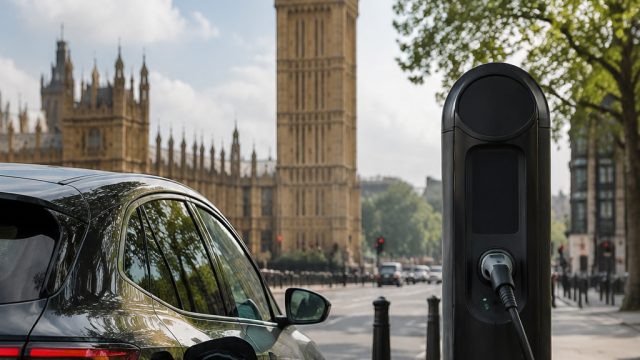
The transition to electric vehicles (EVs) is at a pivotal juncture in the UK, with crucial decisions looming on the preservation of existing EV quotas. As global climate change becomes increasingly urgent, ensuring that these quotas remain intact is essential for fostering a sustainable future. Recent insights from climate experts underscore the implications of weakening these regulations at a time when the automotive industry is poised for a significant transformation.
The Significance of EV Quotas
Electric vehicle quotas serve as a guiding framework that compels manufacturers to produce a specific proportion of EVs compared to traditional combustion-engine vehicles. These targets are not merely bureaucratic hurdles; they are vital to achieving ambitious carbon reduction goals. The UK government aims to ban the sale of new petrol and diesel cars by 2030, making the enforcement of strict EV quotas more critical than ever.
Environmental Impact
- Reduced greenhouse gas emissions
- Improved air quality in urban areas
- Promotion of renewable energy sources
By maintaining rigorous EV quotas, the UK can ensure a proactive approach to combating climate change, contributing to international efforts to reduce global warming.
Industry Reactions and Considerations
Market players are divided regarding the potential relaxation of EV quotas. While some argue that loosening restrictions could enhance production flexibility and bolster short-term profits, others stress the long-term risks associated with such a decision. A weakened regulatory environment may stifle innovation within the sector and ultimately slow down the transition to a greener automotive landscape.
Key Perspectives from Industry Leaders
Leading figures in the automotive industry urge the government to uphold existing quotas, citing the following reasons:
- Consumer Demand: The uptake of electric vehicles is on the rise, driven by growing consumer awareness of climate issues.
- Technological Innovation: Stricter quotas can motivate companies to invest in new technologies and sustainable practices.
- Global Competitiveness: Maintaining high standards keeps UK automotive manufacturers competitive on the global stage.
The Role of Government Policy
Government policy plays a crucial role in supporting the electric vehicle ecosystem. With various incentives, such as grants for EV buyers and funding for charging infrastructure, the government can significantly influence the market's direction. However, if quotas are weakened, it may signal a lack of commitment to sustainability, thereby impacting investor confidence and consumer trust.
Examples of Successful EV Policies
- Norway: With aggressive incentives and stringent quotas, Norway has achieved the highest per capita EV ownership in the world.
- Germany: Policies promoting charging infrastructure have resulted in a robust market for electric vehicles.
These international models demonstrate the effectiveness of strong government policies in fostering a successful electric vehicle market.
Looking Ahead: The Future of EVs in the UK
As the UK gears up for its ambitious 2030 target, the pressure is on to solidify the framework necessary for a successful transition to electric vehicles. Climate advisers warn that any shifts in quotas could undermine years of progress in reducing carbon emissions.
Public Awareness and Engagement
Public engagement is vital in shaping the future landscape of electric mobility. Various initiatives aimed at educating consumers about the benefits of EVs can stimulate demand and encourage behavioral changes. By promoting EVs through marketing campaigns and community outreach programs, the government and industry stakeholders can galvanize public support for maintaining robust EV quotas.
Conclusion
The pending decisions regarding the UK’s electric vehicle quotas represent more than just regulatory measures; they are a reflection of the nation's commitment to sustainability and environmental stewardship. As we stand on the brink of a new era in transportation, it is imperative that all stakeholders — from policymakers to consumers — recognize the importance of these regulations. Strengthening the commitment to electric vehicles will not only pave the way for a cleaner future but also drive innovation within the automotive industry. The time to act is now, ensuring that the UK remains a leader in the global shift towards sustainable transportation.
