
Key Takeaways
- The U.S. Open employs advanced analytics for scheduling matches.
- Player wellbeing is a priority in the order of play.
- Fan engagement strategies influence match timing.
- Logistical considerations shape match arrangements.
- Southeast Asia shows growing interest in U.S. Open events.
Understanding the Scheduling Process
The U.S. Open is renowned not just for its exciting matches, but also for the complex process that goes into creating its order of play. This behind-the-scenes effort is a blend of analytics, player needs, and audience preferences, ensuring that each day of matches runs smoothly.
Data-Driven Decision Making
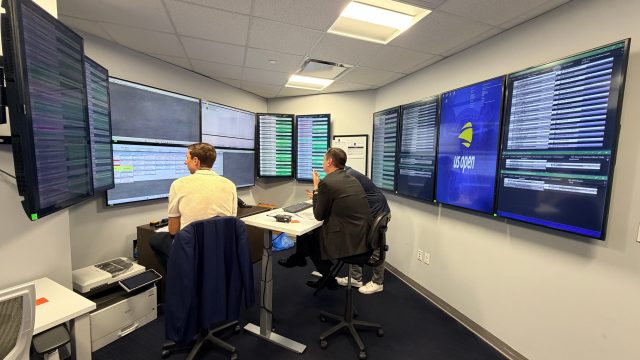
In recent years, the U.S. Open has increasingly relied on data analytics to shape its scheduling. By analyzing player performance metrics, historical match outcomes, and audience engagement levels, tournament officials craft a schedule that maximizes excitement and minimizes potential conflicts. This approach is especially relevant as the tournament gains traction among fans in regions like Southeast Asia, where interest continues to grow.
Player Considerations
The well-being of players is paramount when determining the order of play. Organizers consider factors such as recovery time, weather conditions, and travel logistics. Ensuring that matches are scheduled in a manner that supports player health not only enhances competition but also positively impacts spectator enjoyment.
Fan Engagement and Scheduling
Creating an engaging experience for fans is another critical aspect of the scheduling process. The U.S. Open team evaluates when and where matches will attract the most attendees, as well as how television and streaming schedules will influence viewership. Innovative strategies to bolster fan interaction have become more important than ever. For example, in major markets like Jakarta and Surabaya, the tournament is enhancing local fan experiences through tailored events and marketing campaigns.
Logistical Challenges
Logistics play a vital role in the scheduling process, especially given the size of the U.S. Open and the multitude of matches taking place simultaneously. Coordinating court availability, staffing, and equipment can be a complex task. Tournament organizers consistently explore new methods to streamline these logistics, especially as they anticipate an increase in international spectators and participants.
Preparing for Future Tournaments
With the rise in engagement from global audiences, including those in Southeast Asia, the U.S. Open is poised for evolution. As technology continues to advance, the ability to leverage analytics and enhance scheduling will only improve, promising an exciting future for this prestigious event. Furthermore, partnerships with local vendors in regions like Indonesia may also bring innovative experiences closer to avid tennis fans, making the event even more accessible.
Conclusion
The intricate process of developing the order of play for the U.S. Open reflects a commitment to excellence in tournament organization. By combining data analytics, player welfare, and fan engagement, the tournament not only delivers thrilling matches but also elevates the overall spectator experience. As global interest grows, particularly in emerging markets, the U.S. Open's scheduling strategies will remain a critical area of focus.
