
Soaring Fuel Costs Propel EV Sales Amidst Charging Network Challenges
As fuel prices continue to rise, the demand for electric vehicles (EVs) is witnessing an unprecedented surge. Drivers are increasingly turning to EVs as a cost-effective alternative in response to escalating fuel costs. However, despite this growth in sales, the underlying infrastructure required to support this shift is struggling to keep pace. This trend is significant for manufacturers, consumers, and policymakers alike.
The Current Landscape of Fuel Prices
The global fuel market has come under pressure from various geopolitical and economic factors, resulting in soaring prices that are squeezing consumers. For instance, the price of gasoline in many regions has hit record highs, prompting drivers to reconsider their reliance on traditional fuel sources.
Impact on Consumer Behavior
- Increased interest in electric vehicles as an alternative.
- Heightened awareness of the long-term cost benefits of EVs.
- Shift towards sustainability and environmental concerns.
As consumers become more aware of the financial advantages of transitioning to electric vehicles, sales data reflect a marked increase in demand. Reports indicate that several manufacturers, including Honda, have seen impressive growth in EV sales, partly fueled by these rising fuel prices.
Charging Infrastructure: A Growing Concern
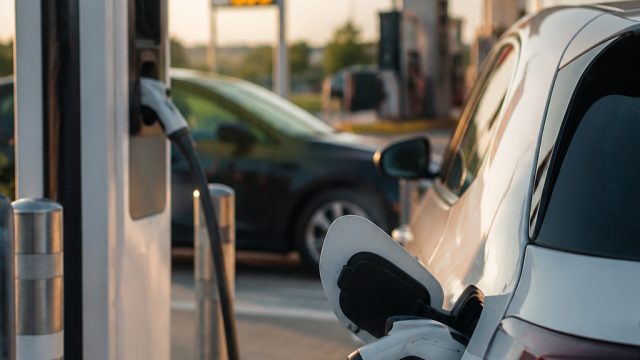
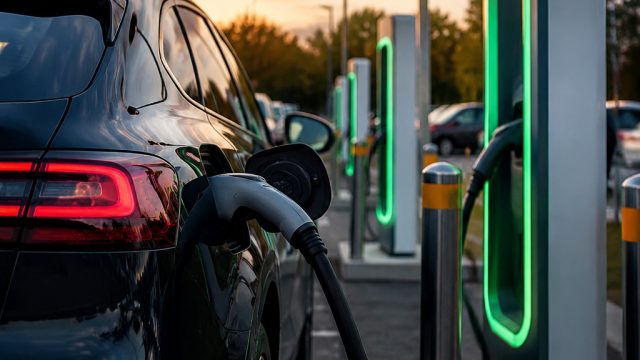
While the demand for electric vehicles soars, the infrastructure needed to support them—namely, charging stations—is lagging behind. In many areas, charging points are insufficient, leading to range anxiety among potential EV customers. This disconnect raises important questions about how quickly the market can adapt to the influx of new electric vehicles.
Challenges Facing Charging Networks
- Limited availability of charging stations in urban and rural areas.
- Inconsistent charging standards across different manufacturers.
- High installation costs for new charging infrastructure.
With an inadequate charging network, even the most appealing electric vehicle model can remain unattractive to potential buyers. This situation presents a dual challenge: how to accelerate the installation of charging stations and how to ensure these facilities are accessible to all consumers.
The Future of EV Sales and Charging Solutions
Looking ahead, the integration of innovative solutions will be paramount in addressing these challenges. Both public and private sectors are exploring various strategies to enhance the charging experience for electric vehicle owners. This includes plans for rapid charging stations, improved technology for faster charging times, and government incentives for infrastructure development.
Key Strategies to Advance Charging Infrastructure
- Investment in public charging networks to ensure widespread availability.
- Collaboration with tech companies to develop faster charging technologies.
- Incentives for businesses to install charging points at workplaces.
As these strategies unfold, they will not only support the growing market for electric vehicles but also ensure that consumers have a seamless experience transitioning from gasoline-powered cars to electric alternatives.
Conclusion: A Critical Moment for EV Adoption
The convergence of soaring fuel prices and the rising interest in electric vehicles presents a critical moment for various stakeholders in the automotive sector. While the challenges surrounding charging infrastructure pose significant hurdles, they also offer solutions that, if effectively implemented, will enhance the appeal of electric vehicles. As manufacturers like Honda increase their EV offerings and consumers become more proactive in embracing sustainable transportation, the pathway to a more electrified future looks promising—albeit with caveats that demand immediate attention from the industry.
