
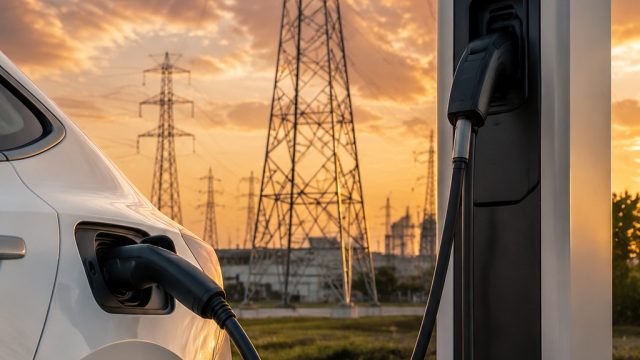
As the landscape of energy pricing continues to shift, significant changes are on the horizon for consumers and businesses alike. Starting in August, diesel prices are projected to soar by 32 cents, while petrol will see a hike of 27 cents per liter unless the government intervenes with extended fuel excise cuts. This news brings to light critical concerns regarding the future of electric vehicle (EV) charging infrastructure and the broader implications for consumers.
The Immediate Impact of Energy Price Increases
The impending rise in fuel prices is not just a matter of inconvenience; it is a reflection of larger economic trends that can influence the market for EV charging solutions. As traditional fuels become more costly, consumers may feel the financial strain. This emphasizes the need for affordable and accessible EV charging options that can offer an alternative to fossil fuel dependency.
Consumer Behavior Changes
When fuel prices spike, consumer behavior typically shifts. Many individuals may reconsider their transportation choices:
- Increased Interest in Electric Vehicles: Higher fuel costs could drive more consumers towards electric vehicles (EVs), which generally offer lower operational costs.
- Usage of Public Charging Stations: As personal driving costs rise, the demand for easy access to public charging stations could increase.
- Shift to Home Charging Solutions: Homeowners may invest in personal EV charging setups to save on costs in the long run.
The Role of EV Charging Infrastructure
The ability of the EV market to flourish depends significantly on the availability and efficiency of charging infrastructure. As energy prices rise, the rationale for investing in these solutions becomes even stronger.
Importance of Accessible Charging Stations
Consumers are increasingly looking for reliable EV charging options that can ease the transition to electric vehicles:
- Strategic Location: Charging stations should be conveniently located near high-traffic areas such as shopping malls, workplaces, and residential neighborhoods.
- Fast Charging Technology: Investing in faster charging technology can reduce wait times, making electric vehicles a more appealing option.
- Incentives for Installation: Government and local businesses might consider providing incentives for the installation of EV chargers to boost usage.
Long-Term Considerations for Energy Policy
With energy prices fluctuating, there’s an urgent need for policymakers to review energy strategies and consider sustainable solutions that can help stabilize costs and promote the shift to electric vehicles.
Advocating for Sustainable Energy Sources
The rise in energy costs can serve as a catalyst for change in energy policy:
- Investment in Renewable Energy: A focus on solar, wind, and other renewable sources could make energy more stable and affordable in the long term.
- Promoting EV Adoption: Governments can set targets for EV adoption, providing both incentives for consumers and funding for charging infrastructure.
- Public Awareness Campaigns: Educating the public about the benefits of EVs and the potential savings from reduced fuel costs could facilitate a smoother transition.
Conclusion: A Call to Action
The anticipated rise in energy prices underscores the urgency for immediate action from both consumers and policymakers. As fuel costs climb, the advantages of electric vehicles become even clearer. Now is the time to invest in robust EV charging solutions and advocate for policies that promote affordable energy options. As we navigate through these changes, staying informed and proactive will be key to ensuring a sustainable future for electric mobility.
